As a makeup enthusiast with over a decade in the beauty industry, I’ve seen countless trends come and go, but one product that consistently proves its worth is the blush palette. More than just a collection of pretty colors, a truly exceptional Best Blush Palette is a versatile powerhouse, offering endless possibilities to sculpt, brighten, and infuse life into your complexion. Forget the days of searching for that elusive single shade; with a well-chosen palette, you unlock a spectrum of artistry right at your fingertips.
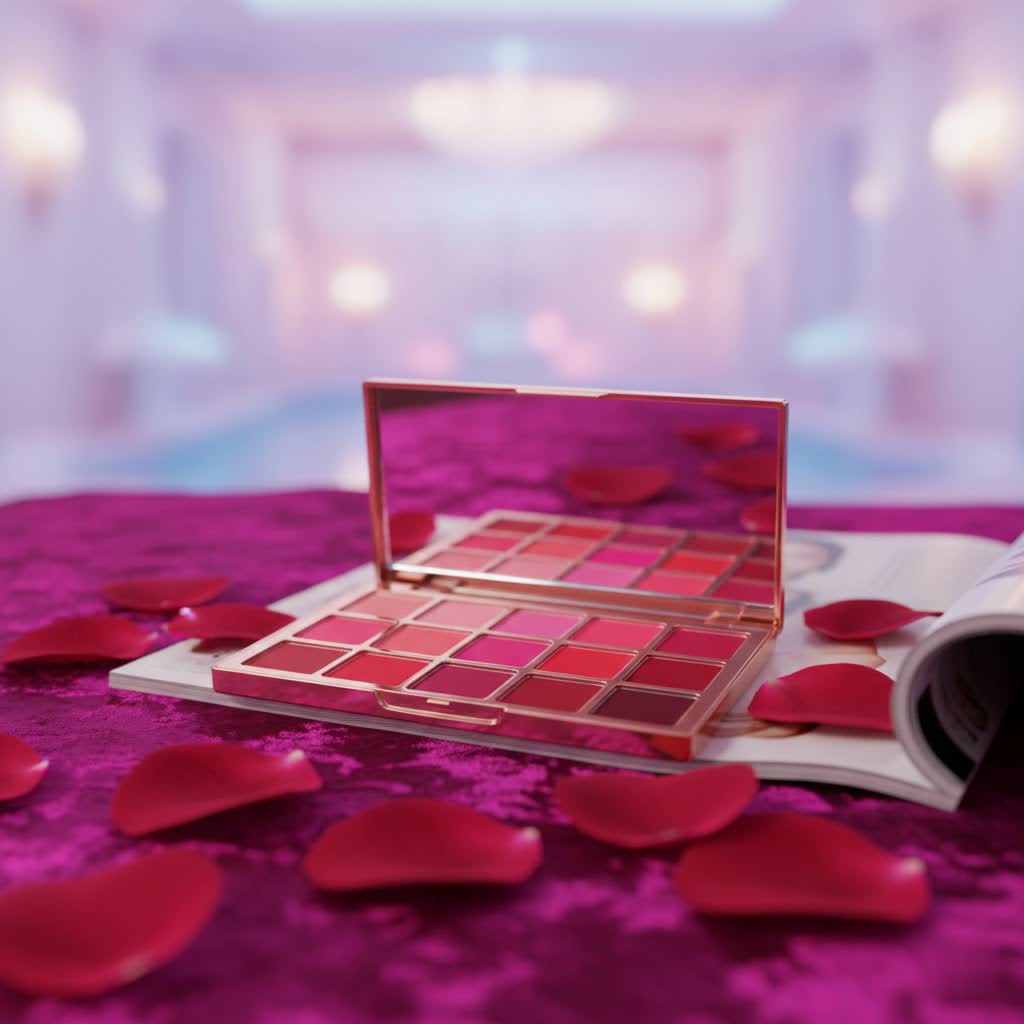
Blush palettes are making a powerful comeback, moving beyond simple color groupings to become essential tools for both professional artists and everyday makeup lovers. They empower you to mix, layer, and customize your cheek color, ensuring you always have the perfect hue for any mood or occasion. But with so many options out there, how do you discover the best blush palette for your unique needs? Let’s dive in.
Why a Blush Palette is Your Makeup Must-Have
Think of a blush palette as your personal artist’s kit for your cheeks. It’s not just about adding color; it’s about dimension, mood, and expression.
- Unmatched Versatility: The primary draw of any best blush palette is its range. Instead of one or two shades, you get several, often with varying finishes like matte, satin, or shimmer. This allows you to create different looks, from a subtle daytime glow to a dramatic evening statement, all from a single compact.
- Endless Experimentation: Ever wished you had a color that was “just a bit warmer” or “a little softer”? Palettes let you blend shades to create bespoke colors that perfectly match your vision. It’s like having a custom blush service at home!
- Streamlined Efficiency: For those constantly on the go or looking to declutter their makeup bag, a palette is a godsend. It consolidates multiple products into one sleek package, making your routine more efficient and travel-friendly.
- Beyond Blush: Multi-Tasking Magic: Many top blush palettes feature shades so adaptable they can double as eyeshadows, soft contour shades, subtle highlighters, or even lip tints when applied with a finger or brush. This truly makes them a cost-effective and versatile addition to your beauty arsenal.
Decoding Blush Palette Types: Cream vs. Powder & Beyond
The texture of your blush palette shades significantly impacts the finish and wear. Understanding the differences between cream and powder, as well as hybrid options, is key to finding your best blush palette.
The Cream Dream: Hydration & Dewy Finish
Cream blush palettes are celebrated for their ability to deliver a natural, skin-like finish. They blend seamlessly into the skin, often leaving a dewy, youthful glow.
- Characteristics: Cream formulas typically offer sheer to buildable coverage, melting into the skin rather than sitting on top. They are excellent for those with dry or mature skin, as they tend to be less emphasizing of texture and can add a boost of hydration.
- Application: For a natural flush, you can apply cream blushes with your fingertips, tapping the color onto the apples of your cheeks. For more precision or a diffused look, a damp beauty sponge or a synthetic brush works wonderfully.
- Pros: Hydrating, dewy finish, natural look, great for dry/mature skin, can be applied quickly.
- Cons: May have shorter wear time on oily skin, can sometimes feel sticky, requires a bit more blending effort to avoid patchy application.
|
Our Picks for the Best Blush Palette in 2026
As an Amazon Associate I earn from qualifying purchases.
|
||
| Num | Product | Action |
|---|---|---|
| 1 | Eye & Cheek Palette - Eyeshadow and Highlighter Makeup, 4-In-1Makeup Palettes Kit, Highlighting Eye & Cheek Palette, Face Highlighter & Glow Blush Palette for Women & Girls |

|
| 2 | e.l.f. Cosmetics Powder Blush Palette, Four Blush Shades for Beautiful, Long-Lasting Pigment, Light |
|
| 3 | Physicians Formula Powder Palette Multi-Colored Blush, Silky Smooth Formula, Hypoallergenic, Blends Easily Without Irritation – Blushing Rose |
|
| 4 | Physicians Formula Powder Palette Multi-Colored Blush, Silky Smooth Formula, Hypoallergenic, Blends Easily Without Irritation – Blushing Berry |
|
| 5 | Revolution, Ultra Blush Palette, 8 Pigmented Shimmer & Matte Makeup Shades, Blendable Powder Blush Formula, Vegan & Cruelty-Free, Sugar & Spice |
|
| 6 | Revolution Beauty London, Ultra Blush Palette, 8 Pigmented Shimmer & Matte Makeup Shades, Blendable Powder Blush Formula, Vegan & Cruelty-Free, Sunset Burst |
|
| 7 | 8 Colors Face Matte Blush Palette Shading Blusher - Buildable Facial Cheek Blusher Contour Bronzing Pressed Powder Makeup Pallet Women Gift Set (8 Colors Blush Contour Palette with brush) |
|
| 8 | 16 Colors Contour Palette Make up - Blush Highlighters Bronzer Powder All in one Makeup Palettes Contour Kit - Face Cosmetics Gifts for Women Beauty for Festivals (SET1) |
|
| 9 | LAURA GELLER NEW YORK Geller\'s Greatest Lift-n-Glow Baked Trio Palette - Highlighter, Blush, Bronzer - All Skin Tones |
|
| 10 | Physicians Formula Butter Palette, Nourishing Bronzer, Blush, Highlighter, and Moisturizing Face Powder Blend, Cruelty Free - Dream Team |
|
Powder Power: Longevity & Matte Perfection
Powder blush palettes are the classic choice, known for their longevity and diverse finishes, from soft matte to radiant shimmer.
- Characteristics: Powder blushes are typically long-wearing and offer buildable pigmentation. They are a fantastic option for those with oily skin as they can help absorb excess oil and provide a velvety or matte finish. High-quality powder blushes today often have a “creamy” feel despite being powder, ensuring smooth, non-chalky application.
- Application: A fluffy blush brush is your best friend for powder blushes. Swirl the brush lightly into your chosen shade, tap off any excess, and apply to the cheeks with gentle sweeping or tapping motions.
- Pros: Long-lasting, excellent for oily skin, wide range of finishes (matte, shimmer), easy to build color.
- Cons: Can sometimes appear powdery if not blended well, may cling to dry patches on very dry skin, less dewy than cream formulas.
Hybrid & Multi-Finish Palettes
The true innovators in the “best blush palette” category often combine multiple formulas and finishes. These palettes typically feature a mix of cream, powder matte, and powder shimmer shades, offering the ultimate in versatility. You can layer creams under powders for extended wear and intensified color, or use shimmer shades as a radiant topper or highlighter.
Choosing the Best Blush Palette for Your Skin Tone
Selecting the right blush shades can dramatically enhance your complexion. While there are no strict rules in makeup, certain tones tend to flatter specific skin depths.
Fair Skin Tones
For fair complexions, opt for soft, ethereal shades that mimic a natural flush. Think light pinks, delicate peaches, and soft coral hues. These shades add a touch of color without overwhelming your natural lightness.
Light to Medium Skin Tones
If you have a light to medium skin tone, you have a wide range of options. Deeper pinks, warm peaches, apricot, and vibrant rose shades will beautifully complement your complexion, adding warmth and a healthy glow.
Olive Skin Tones
Olive skin tones often have a natural warmth. Blushes in shades of warm peach, terracotta, and golden browns can enhance this warmth, giving a sun-kissed appearance. Earthy tones with a hint of red or orange also work beautifully.
Darker Skin Tones
For deeper skin tones, vibrant and rich shades truly pop. Embrace hues like bright berries, luscious plums, deep oranges, rich reds, and fuchsia. These highly pigmented colors will provide a stunning contrast and radiant finish.
Expert Insight: “Don’t be afraid to mix and match shades within your palette. Sometimes the most beautiful flush comes from combining a touch of a warm peach with a vibrant berry to create a truly unique hue that perfectly complements your natural undertone,” advises Dr. Elena Petrova, a leading cosmetic chemist and color theory specialist.
Beyond these guidelines, also consider your skin’s undertone (cool, warm, or neutral). Cool undertones often look great with blue-based pinks, while warm undertones shine with peachy or golden blushes. Neutral undertones can usually wear a broad spectrum of colors.
How to Master Your Blush Palette: Application Techniques
Applying blush isn’t just about slapping on color. It’s an art that can sculpt, lift, and define your face.
The Classic Flush
The most common technique involves applying blush to the apples of your cheeks.
- Smile: This helps you identify the fullest part of your cheek.
- Apply: Using your chosen brush, sponge, or fingertips, gently tap or sweep the blush onto the apples.
- Blend: Blend the color upwards towards your temples for a natural-looking diffusion. This technique adds a youthful, healthy glow.
Sculpting & Lifting
For a more lifted and sculpted appearance, position your blush higher on the cheekbones.
- Placement: Start applying the blush slightly above the apple of your cheek, along your cheekbone.
- Angle: Sweep the color upwards towards your temples and the outer corner of your eye. This creates an illusion of a lifted face.
Draping
Draping is a retro technique that involves using blush to contour and sculpt the face, extending from the temples down to the cheekbones. This creates a dramatic, yet sophisticated, color-contoured effect. It requires careful blending and often uses deeper, more vibrant shades.
Multi-Tasking Magic
Remember, a great blush palette is your secret weapon for a cohesive look.
- Eyeshadow: Use a fluffy brush to sweep a matte blush shade over your eyelids for a soft, monochromatic look. Shimmer shades can be used as inner corner highlights or on the center of the lid.
- Lip Tint: Dab a creamy blush shade onto your lips for a natural, stained effect.
- Highlighter/Bronzer: Many palettes include lighter, shimmery shades that can serve as a subtle highlighter on the high points of your face, or deeper warm tones that can act as a soft bronzer.
Tools of the Trade:
- Fluffy Blush Brush: Ideal for powder blushes, offering a soft, diffused application.
- Angled Blush Brush: Great for sculpting and defining cheekbones.
- Stippling Brush: Provides a sheer, airbrushed finish for both creams and powders.
- Beauty Sponge: Perfect for blending cream blushes seamlessly into the skin.
- Fingertips: Your natural warmth helps cream formulas melt beautifully for a sheer finish.
Always start with a light hand and build up the color. It’s much easier to add more blush than to take it away!
Keeping Your Blush Palette Pristine: Storage and Care
To ensure your best blush palette remains hygienic and performs optimally, proper care is essential.
- Cleanliness is Key: Regularly clean your makeup brushes. Dirty brushes can transfer bacteria, impacting both your skin health and the longevity of your makeup. Use a gentle brush cleanser and allow brushes to air dry completely.
- Store Smart: Keep your blush palette in a cool, dry place, away from direct sunlight or excessive humidity, which can alter the formula and shorten shelf life.
- Handle with Care: Avoid dropping your palette, especially powder formulas, as this can lead to shattered pans.
- Hygiene First: While tempting, avoid sharing your blush palette to prevent the spread of bacteria. If you must share, ensure surfaces are sanitized and use disposable applicators.
FAQs About Blush Palettes
Here are some common questions I hear about blush palettes:
Q: What’s the difference between a blush palette and single blushes?
A: A blush palette offers multiple complementary shades and often various finishes in one compact, providing versatility for different looks and occasions. Single blushes provide one specific shade and finish.
Q: Can I use blush palette shades as eyeshadow?
A: Absolutely! Many blush palette shades, especially matte and satin textures, can be beautifully used as eyeshadows to create a cohesive and harmonious makeup look.
Q: How do I choose a blush palette for my undertone?
A: For cool undertones, lean towards blue-based pinks and mauves. Warm undertones are flattered by peachy, coral, and golden-toned blushes. Neutral undertones have the flexibility to wear a wider range of colors.
Q: How often should I clean my blush brushes?
A: For optimal hygiene and performance, it’s best to clean your blush brushes at least once a week, especially if you use them daily. This prevents product buildup and bacteria transfer.
Q: Are cream blush palettes good for oily skin?
A: While powder blushes are often recommended for oily skin, advancements in cream formulas mean many modern cream blush palettes can work well too. Look for cream blushes specifically labeled as long-wearing or those with a semi-matte finish, and always set with a light dusting of translucent powder.
Embrace Your Inner Artist with the Best Blush Palette
The journey to finding your best blush palette is a delightful exploration of color, texture, and personal style. Whether you’re a seasoned makeup artist or just beginning to dip your brush into the world of cheek color, a versatile palette empowers you to experiment, create, and confidently enhance your natural beauty. Don’t be afraid to play with different shades, mix formulas, and discover new techniques. After all, makeup is all about having fun and expressing the most vibrant version of yourself. So go ahead, find that perfect palette, and let your cheeks do the talking!
