Welcome, beauty enthusiasts! As someone who has spent over a decade immersed in the world of makeup, I can tell you that few items hold as much transformative power as a Good Blush Palette. It’s more than just a collection of colors; it’s your secret weapon for adding life, dimension, and a healthy glow to your complexion. Forget the days of searching for that single, elusive perfect shade – a blush palette offers a spectrum of possibilities, allowing you to customize your flush for any mood, occasion, or season.
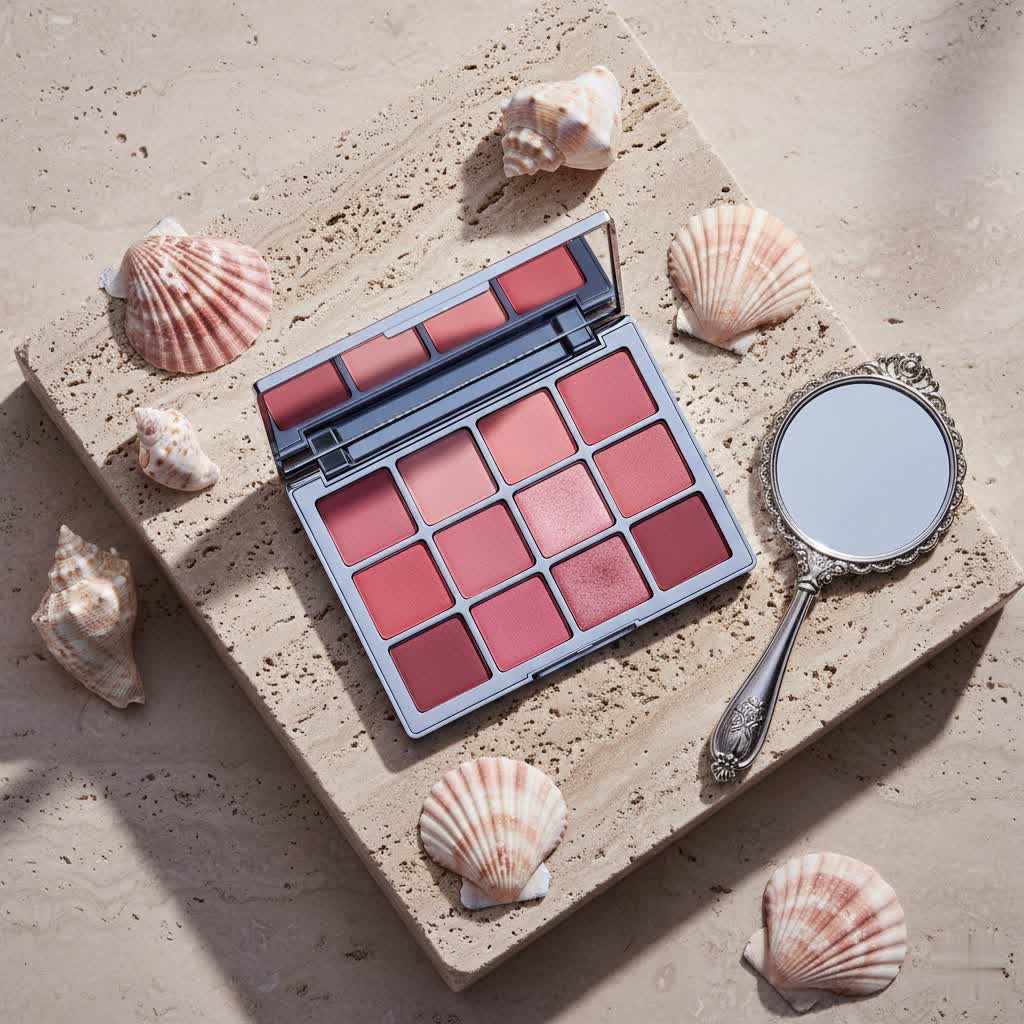
Think of your blush palette as an artist’s canvas. With the right tools and a little know-how, you can sculpt, brighten, and define your face with effortless grace. But with so many options out there, how do you distinguish a truly good blush palette from the rest? Let’s dive in and unlock the secrets to finding your ultimate cheek companion.
Why a Good Blush Palette is Your Secret Weapon
Why settle for one when you can have an entire wardrobe of blushes? A well-curated blush palette is a game-changer for several reasons:
- Unmatched Versatility and Convenience: Instead of juggling multiple single blushes, a palette consolidates your options. This is especially fantastic for travel or simply decluttering your makeup bag. You have a range of shades at your fingertips, ready to mix and match.
- Customization for Any Look: From a subtle daytime sheen to a dramatic evening statement, a good blush palette empowers you to create custom shades. You can layer different hues to achieve a unique, multi-dimensional flush that perfectly complements your overall makeup.
- Cost-Effectiveness: Often, purchasing a palette with several blushes is more economical than buying individual shades. It’s a smart investment for expanding your makeup collection without breaking the bank.
Decoding Blush Palette Types: Powder, Cream, and Liquid
Blush palettes come in various formulas, each offering a distinct finish and application experience. Understanding these differences is key to choosing a good blush palette for your needs.
Powder Blush Palettes
These are perhaps the most common and widely loved type. Powder blushes are typically pressed and offer a range of finishes from matte to shimmery. They are incredibly versatile and generally user-friendly.
- Best For: All skin types, but particularly excellent for oily skin as they can help absorb excess shine. They’re also ideal for setting liquid or cream foundations.
- Application: Apply with a fluffy blush brush. Tap off excess product, then lightly sweep onto the apples of your cheeks, blending upwards towards your temples. Build up color gradually.
|
Our Picks for the Best Blush Palette in 2026
As an Amazon Associate I earn from qualifying purchases.
|
||
| Num | Product | Action |
|---|---|---|
| 1 | Physicians Formula Powder Palette Multi-Colored Blush, Silky Smooth Formula, Hypoallergenic, Blends Easily Without Irritation – Blushing Berry |

|
| 2 | Revolution Beauty London, Ultra Blush Palette, 8 Pigmented Shimmer & Matte Makeup Shades, Blendable Powder Blush Formula, Vegan & Cruelty-Free, Sunset Burst |
|
| 3 | Eye & Cheek Palette - Eyeshadow and Highlighter Makeup, 4-In-1Makeup Palettes Kit, Highlighting Eye & Cheek Palette, Face Highlighter & Glow Blush Palette for Women & Girls |
|
| 4 | Physicians Formula Butter Palette, Nourishing Bronzer, Blush, Highlighter, and Moisturizing Face Powder Blend, Cruelty Free - Dream Team |
|
| 5 | e.l.f. Cosmetics Powder Blush Palette, Four Blush Shades for Beautiful, Long-Lasting Pigment, Light |
|
| 6 | Revolution, Ultra Blush Palette, 8 Pigmented Shimmer & Matte Makeup Shades, Blendable Powder Blush Formula, Vegan & Cruelty-Free, Sugar & Spice |
|
| 7 | Physicians Formula Powder Palette Multi-Colored Blush, Silky Smooth Formula, Hypoallergenic, Blends Easily Without Irritation – Blushing Rose |
|
| 8 | 8 Colors Face Matte Blush Palette Shading Blusher - Buildable Facial Cheek Blusher Contour Bronzing Pressed Powder Makeup Pallet Women Gift Set (8 Colors Blush Contour Palette with brush) |
|
| 9 | LAURA GELLER NEW YORK Geller\'s Greatest Lift-n-Glow Baked Trio Palette - Highlighter, Blush, Bronzer - All Skin Tones |
|
| 10 | 16 Colors Contour Palette Make up - Blush Highlighters Bronzer Powder All in one Makeup Palettes Contour Kit - Face Cosmetics Gifts for Women Beauty for Festivals (SET1) |
|
Cream Blush Palettes
Cream blushes offer a dewy, natural-looking finish that melts seamlessly into the skin. They are fantastic for achieving a “no-makeup makeup” look.
- Best For: Dry, mature, or normal skin types, as they add a healthy glow and don’t emphasize fine lines. They’re also great for those who prefer a more natural, skin-like finish.
- Application: Use your fingertips, a sponge, or a dense synthetic brush. Warm the product slightly on the back of your hand, then dab and blend onto the cheeks. The warmth from your fingers helps the product meld with your skin.
Liquid Blush Palettes
While less common in traditional palettes, some brands offer highly pigmented liquid blushes, often in droppers or tubes, which can be grouped for a palette effect. They deliver an intense color payoff with a long-lasting finish.
- Best For: All skin types, especially those looking for maximum longevity and a radiant finish. A little goes a very long way!
- Application: Apply a tiny dot to the back of your hand, then use a brush or sponge to lightly dab and blend onto the cheeks. Work quickly as liquid blushes tend to set faster.
Finding Your Match: Choosing a Good Blush Palette for Your Skin Tone
The secret to a truly flattering flush lies in selecting shades that harmonize with your skin’s natural undertones. A good blush palette will offer a range that can suit various complexions.
Fair Skin Tones
For fair skin, soft, subtle shades work best to avoid an overly intense look.
- Recommended Shades: Light pinks, peaches, and soft corals. Think “barely there” hues that mimic a natural flush.
Light to Medium Skin Tones
These skin tones can beautifully carry a broader spectrum of colors without looking overpowering.
- Recommended Shades: Rosy pinks, warm peaches, apricot, and soft berry tones. A little shimmer can also enhance the glow.
Olive Skin Tones
Olive skin often has warm or neutral undertones, which look stunning with richer, warmer blush shades.
- Recommended Shades: Deep peaches, terracotta, warm bronze, and muted rose tones. Golds and corals can also be incredibly flattering.
Deep Skin Tones
Rich, vibrant shades are your best friend! These colors pop beautifully against deeper complexions, bringing warmth and radiance.
- Recommended Shades: Berry, fuchsia, deep plum, brick red, and intense orange-based hues. Don’t shy away from highly pigmented shades.
“Understanding your skin’s undertone is paramount when selecting blush. A good blush palette will offer a range of shades that complement various undertones, allowing you to achieve a truly harmonious look,” advises Olivia Chen, a renowned celebrity makeup artist.
The Art of Application: How to Use Your Blush Palette Like a Pro
Having a good blush palette is one thing; knowing how to use it is another. Mastering application techniques ensures a seamless and natural-looking finish.
Step-by-Step Guide for a Flawless Finish
Here’s a simple routine to achieve a beautiful, enduring flush:
- Prep Your Skin: Always apply blush after your foundation and concealer. For powder blushes, a light dusting of setting powder beforehand can help with smooth application. For cream blushes, apply directly over liquid foundation before setting.
- Choose Your Shade(s): Select one shade for a simple look, or pick two complementary shades – a lighter one for the apples of your cheeks and a deeper one for sculpting.
- Select the Right Brush/Tool:
- Powder: A fluffy, angled, or dome-shaped brush.
- Cream: Your fingertips, a beauty sponge, or a dense synthetic brush.
- Apply in Layers: Start with a small amount of product. It’s always easier to add more color than to take it away. Lightly tap or dab the blush onto the desired area.
- Blend, Blend, Blend! This is the most crucial step. Use circular motions or gentle tapping to seamlessly blend the blush into your skin and other makeup. There should be no harsh lines.
Advanced Blush Application Techniques
Once you’ve mastered the basics, explore these techniques to elevate your blush game:
- Draping: This 1970s technique uses blush to sculpt and contour the face. Apply a deeper blush shade along the cheekbones and up towards the temples, then blend a lighter, brighter shade onto the apples of the cheeks.
- Sun-Kissed Effect: To mimic a natural sun-kissed glow, apply blush not only to your cheeks but also lightly across the bridge of your nose and forehead. This creates a cohesive, outdoor-fresh look.
- Contouring with Blush: Choose a more muted, neutral blush shade that’s a bit deeper than your natural skin tone. Apply it just under your cheekbones, blending upwards and outwards, to create a soft, sculpted effect.
Beyond the Basics: What Makes a Blush Palette Truly Good?
Beyond the color selection and formula type, several factors contribute to what makes a blush palette truly exceptional and worth your investment.
- Pigmentation and Blendability: A good blush palette should offer excellent color payoff without being chalky. The shades should be easy to blend seamlessly into the skin, allowing for both subtle and bold looks.
- Longevity: You want your beautiful flush to last all day. Look for formulas that are known for their staying power, resisting fading or patchiness throughout wear.
- Ingredient Quality: Always check the ingredient list. Palettes with skin-friendly ingredients, non-comedogenic formulas, and those that are cruelty-free or vegan are often preferred. Avoid common irritants if you have sensitive skin.
- Packaging and Portability: Durable, sleek packaging is a plus, especially if you plan to travel with your palette. Compact designs with mirrors are often ideal for on-the-go touch-ups.
Caring for Your Canvas: How to Store Your Blush Palette
Proper care ensures your good blush palette remains hygienic and performs optimally for longer.
- Keeping it Clean: Regularly clean your makeup brushes to prevent bacteria transfer to your palette. Gently wipe the surface of your powder blushes with a clean tissue if they start to form a hard layer.
- Avoiding Humidity and Heat: Store your blush palette in a cool, dry place away from direct sunlight and humidity, such as bathrooms. Excessive heat can alter the texture and longevity of cream and powder formulas.
- Checking Expiration Dates: Like all cosmetics, blushes have a shelf life. Powder blushes generally last longer (up to 2 years) than cream formulas (around 12-18 months). Discard any palette that changes in scent, texture, or appearance.
FAQs About Blush Palettes
Q: Can I use a blush palette for contouring or eyeshadow?
A: Absolutely! Many shades in a good blush palette can double as contour, bronzer, or eyeshadow, especially matte or neutral tones. This adds to the palette’s versatility and value.
Q: How do I know if a blush shade is right for me?
A: The best way is to swatch it on your skin, ideally in natural light. A good shade should brighten your face and give you a healthy, natural flush. When in doubt, lean towards colors that mimic the natural flush you get after a brisk walk.
Q: What’s the difference between matte and shimmery blushes in a palette?
A: Matte blushes provide a flat, natural color ideal for sculpting and everyday wear. Shimmery blushes contain finely milled glitter or pearl particles, adding radiance and a luminous finish, great for a glowing look or evening makeup.
Q: How long does a good blush palette last?
A: The longevity of a blush palette depends on its formula and how often you use it. Powder palettes can last up to two years, while cream palettes might last 12-18 months after opening. Always refer to the PAO (Period After Opening) symbol on the packaging.
Q: Are expensive blush palettes always better?
A: Not necessarily. While high-end palettes often boast luxurious textures and innovative formulas, many affordable brands offer incredibly high-quality, good blush palette options that perform just as well. It’s more about the specific product’s formulation, pigmentation, and how it works for your skin.
Embrace Your Inner Artist
Choosing a good blush palette is a journey of discovery, blending science with personal preference. It’s about understanding your skin, experimenting with colors, and finding what makes you feel most radiant. With the insights shared here, you’re now equipped to select a palette that not only complements your unique beauty but also empowers you to express yourself with every brushstroke. Go forth, experiment, and let your cheeks do the talking! We’d love to hear about your favorite blush palette discoveries and tips in the comments below!
