Diving into the world of makeup can sometimes feel overwhelming with countless products vying for your attention. But if there’s one dynamic duo that can truly transform your complexion and simplify your routine, it’s the Best Bronzer And Blush Palette. This all-in-one wonder is your secret weapon for achieving a radiant, sculpted, and healthy-looking glow, whether you’re aiming for a subtle daytime warmth or a glamorous evening flush. Think of it as your personal sunshine and a rosy kiss all wrapped up in one compact, making it an essential for any makeup bag.
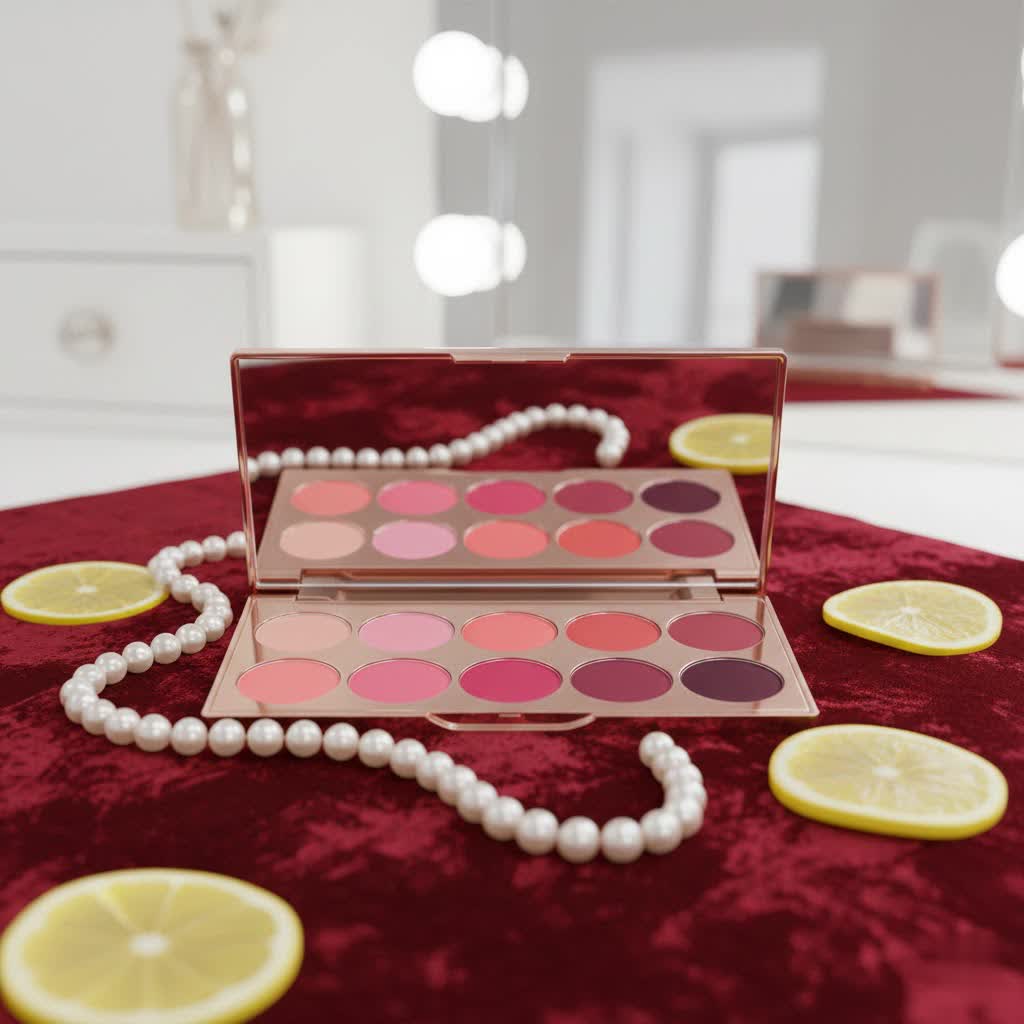
The Power Duo: Why a Bronzer and Blush Palette?
Combining bronzer and blush into a single palette isn’t just a clever packaging trick; it’s a game-changer for achieving a harmonious, cohesive makeup look. These palettes are designed with complementary shades that work together effortlessly, eliminating the guesswork of mixing and matching individual products. Imagine waking up, grabbing one compact, and knowing you have everything you need to add warmth, dimension, and a pop of color to your face. The efficiency is unmatched, making your morning routine quicker and your on-the-go touch-ups a breeze. Plus, curated palettes often offer a better value and ensure that your bronzer and blush tones enhance rather than clash with each other. It’s like having a professional makeup artist pick your shades for you!
Navigating the Options: Types of Bronzer and Blush Palettes
The beauty market is brimming with various formulations and palette configurations for the best bronzer and blush palette. Understanding the different types can help you choose one that perfectly suits your skin type and desired finish.
Powder Palettes
|
Our Picks for the Best Blush Palette in 2026
As an Amazon Associate I earn from qualifying purchases.
|
||
| Num | Product | Action |
|---|---|---|
| 1 | Physicians Formula Butter Palette, Nourishing Bronzer, Blush, Highlighter, and Moisturizing Face Powder Blend, Cruelty Free - Dream Team |

|
| 2 | LAURA GELLER NEW YORK Geller\'s Greatest Lift-n-Glow Baked Trio Palette - Highlighter, Blush, Bronzer - All Skin Tones |
|
| 3 | e.l.f. Cosmetics Powder Blush Palette, Four Blush Shades for Beautiful, Long-Lasting Pigment, Light |
|
| 4 | 8 Colors Face Matte Blush Palette Shading Blusher - Buildable Facial Cheek Blusher Contour Bronzing Pressed Powder Makeup Pallet Women Gift Set (8 Colors Blush Contour Palette with brush) |
|
| 5 | Eye & Cheek Palette - Eyeshadow and Highlighter Makeup, 4-In-1Makeup Palettes Kit, Highlighting Eye & Cheek Palette, Face Highlighter & Glow Blush Palette for Women & Girls |
|
| 6 | Revolution Beauty London, Ultra Blush Palette, 8 Pigmented Shimmer & Matte Makeup Shades, Blendable Powder Blush Formula, Vegan & Cruelty-Free, Sunset Burst |
|
| 7 | Revolution, Ultra Blush Palette, 8 Pigmented Shimmer & Matte Makeup Shades, Blendable Powder Blush Formula, Vegan & Cruelty-Free, Sugar & Spice |
|
| 8 | 16 Colors Contour Palette Make up - Blush Highlighters Bronzer Powder All in one Makeup Palettes Contour Kit - Face Cosmetics Gifts for Women Beauty for Festivals (SET1) |
|
| 9 | Physicians Formula Powder Palette Multi-Colored Blush, Silky Smooth Formula, Hypoallergenic, Blends Easily Without Irritation – Blushing Rose |
|
| 10 | Physicians Formula Powder Palette Multi-Colored Blush, Silky Smooth Formula, Hypoallergenic, Blends Easily Without Irritation – Blushing Berry |
|
Powder palettes are perhaps the most common and versatile. They’re excellent for those with oily or combination skin, as powders help to absorb excess oil and provide a long-lasting, often matte or satin finish. They are fantastic for building intensity, allowing you to gradually add color and definition without going overboard too quickly. However, if not blended well, they can sometimes look a little heavy or cakey, especially on drier or more mature skin.
Cream/Liquid Palettes
Cream and liquid palettes offer a more natural, dewy finish, making them a favorite for individuals with dry or mature skin seeking a hydrated, youthful glow. They blend seamlessly into the skin, often feeling weightless and providing a “skin-like” finish. Cream formulas are also incredibly forgiving and easy to work with, melting into your complexion for a truly natural look. While they might offer less longevity than powders on their own, they can be layered beautifully under or over powder products for enhanced wear.
Duo vs. Multi-Pan Palettes
Some palettes are simple duos, offering just one bronzer and one blush, which is great for minimalism. Others are multi-pan wonders, often including a highlighter in addition to bronzer and blush. These comprehensive palettes are fantastic for creating a full-face sculpted and glowing look with minimal effort, providing a complete cheek wardrobe in one go.
Finding Your Perfect Match: Choosing the Best Bronzer and Blush Palette for Your Skin
Selecting the right bronzer and blush shades is crucial for a natural, flattering effect. It all starts with understanding your unique complexion.
Understanding Your Skin Tone and Undertone
Before diving into shades, let’s quickly figure out your skin’s undertone – that subtle hue beneath the surface that stays consistent regardless of your tan.
- The Vein Test: Look at the veins on your inner wrist in natural light. If they appear blue or purple, you likely have a cool undertone. If they look green or olive, you probably have a warm undertone. If you see a mix of both or can’t quite tell, you might have a neutral undertone.
- The Jewelry Test: Do you feel silver jewelry flatters you more? That often points to a cool undertone. If gold jewelry makes your skin glow, you’re likely warm-toned. If both look great, you’re probably neutral.
- How Your Skin Tans: If your skin burns easily and rarely tans, a cool undertone is common. If you tan easily and rarely burn, you likely have a warm undertone.
Matching your bronzer and blush to your undertone ensures a seamless, natural enhancement.
Shade Selection for Every Complexion
Fair to Light Skin Tones
For lighter complexions, the goal is a gentle warmth and a soft flush, not an obvious tan or overly bright cheeks.
- Bronzer: Look for soft taupe, rosy-brown, or light honey shades. These will add subtle definition and warmth without looking orange or muddy. Bronzers with neutral or slightly cool undertones work best here.
- Blush: Opt for delicate soft pinks, light peaches, or sheer coral hues to give a fresh, youthful glow.
Medium to Olive Skin Tones
Medium and olive complexions can pull off a wider range of shades, embracing rich warmth and vibrant color.
- Bronzer: Golden, warm amber, caramel, or terracotta bronzers will beautifully enhance your natural glow. These shades prevent an ashy appearance and add radiant depth.
- Blush: Warm pinks, rich mauves, and golden corals will add vibrancy and complement your skin’s natural undertones.
Dark to Deep Skin Tones
Deeper skin tones truly shine with bold, rich colors that bring out their inherent radiance.
- Bronzer: Choose deep terracotta, rich chocolate, or espresso shades. Bronzers with red or blue undertones will provide depth and a luminous finish without looking chalky.
- Blush: Don’t shy away from bold berry, plum, raisin, or vibrant tangerine tones. These colors will pop beautifully, adding a striking and healthy flush.
Matte vs. Shimmer Finishes: What’s Right for You?
The finish of your bronzer and blush also plays a huge role in your overall look.
- Matte Finishes: Ideal for adding natural warmth and creating subtle sculpted definition, especially if you want to avoid extra shine or have textured skin.
- Shimmer Finishes: Perfect for achieving a radiant, sun-kissed glow. A little shimmer can make your complexion look luminous and healthy. Many palettes offer a mix, allowing you to customize your radiance.
Unlocking Your Inner Artist: How to Apply Your Bronzer and Blush Palette
Applying bronzer and blush correctly is key to a flawless finish. Here’s a step-by-step guide to mastering your palette.
Step-by-Step Application Guide
- Prep Your Skin: Always start with a well-prepped base – your foundation and concealer should be applied first, creating a smooth canvas.
- Bronzer First (for warmth and definition): Take a fluffy bronzer brush, tap off any excess product, and apply bronzer to the areas where the sun would naturally hit your face. Think the tops of your cheekbones, across your forehead near the hairline, down the bridge of your nose, and along your jawline. Blend in soft, circular motions to avoid harsh lines and build color gradually.
- Then Blush (for a healthy flush): Using a separate, softer blush brush, apply your chosen blush shade to the apples of your cheeks. Smile gently to locate them, then blend the color upwards towards your temples and slightly back towards your hairline. This technique lifts the face and seamlessly integrates the blush with your bronzer.
- Seamless Blending: The secret to a natural, professional look is blending. Ensure there are no harsh lines where your bronzer meets your blush, or where they meet your foundation. Use a clean, fluffy brush to diffuse edges.
Advanced Blush & Bronzer Techniques
- How can I make my face look lifted with blush and bronzer? For a lifted effect, apply your bronzer just below your cheekbones, sweeping upwards towards your temples. Then, apply blush slightly higher than the apples of your cheeks, blending it up towards your hairline. This upward placement creates an optical illusion of lifted features.
- What is blush draping? Blush draping is a technique where blush is applied more dramatically, often extending from the temples down to the cheekbones, to sculpt and add bold color. It’s a more artistic approach that can redefine your face shape, similar to contouring but with blush.
Common Pitfalls to Avoid with Bronzer and Blush Palettes
Even with the best bronzer and blush palette, a few common mistakes can hinder your desired outcome.
- Choosing the Wrong Shade/Undertone: This is the most common pitfall. A bronzer that’s too dark or orange will look unnatural, while a blush that clashes with your undertone can appear jarring. Always swatch on your jawline or chest, not just your hand.
- Applying Too Much Product: It’s easier to build up color than to take it away. Start with a light hand, especially with highly pigmented formulas. If you do apply too much, a translucent setting powder can help diffuse and soften the color.
- Poor Blending: Harsh lines are a tell-tale sign of unblended product. Always ensure your bronzer and blush seamlessly melt into your skin and into each other.
- Ignoring Skin Type: Matte powders might emphasize dryness on dry skin, while overly shimmery products could highlight texture. Choose formulas that complement your skin’s needs.
Keeping Your Palette Pristine: Blush Palette Storage and Care
To ensure your favorite bronzer and blush palette stays in top condition and performs its best, proper care is essential.
- Store in a Cool, Dry Place: Humidity and extreme temperatures can alter makeup formulas. Keep your palette away from direct sunlight and steamy bathrooms.
- Keep Lid Closed: This prevents dust, dirt, and moisture from contaminating the powders and keeps them from drying out (for creams).
- Clean Brushes Regularly: Dirty brushes can transfer oils and bacteria to your palette, impacting performance and hygiene. Aim to clean your makeup brushes at least once a week.
- Check Expiration Dates: While powder products typically have a longer shelf life, all makeup expires. Look for the PAO (Period After Opening) symbol, usually a small jar with a number and ‘M’ (e.g., 12M for 12 months).
Expert Insight: A Word from Ijcoe’s Lead Artist
“In my ten years in the beauty industry, I’ve seen countless trends come and go, but the enduring appeal of a versatile bronzer and blush palette remains,” says Dr. Elara Vance, Ijcoe’s Lead Makeup Artist. “These palettes empower you to sculpt, add warmth, and infuse a healthy flush with such ease. It’s not just about applying makeup; it’s about enhancing your natural beauty and feeling confident in your own skin. The right palette truly unlocks an artistic side, allowing for endless customization and a perfectly harmonized glow every time.”
Frequently Asked Questions (FAQ)
Q: Can I use bronzer as contour?
A: While bronzer can add some definition, it’s primarily for warmth. Bronzers are typically warmer-toned and slightly shimmery to mimic a tan. Contour products are usually cooler-toned and matte, specifically designed to create shadows and sculpt features. You can use a matte bronzer for a soft contour, but it won’t give the same dramatic effect as a dedicated contour shade.
Q: How do I know if my bronzer is too dark?
A: Your bronzer is likely too dark if it creates obvious stripes or harsh lines, looks muddy, or makes your face appear significantly darker than your neck and chest. A good rule of thumb is to choose a shade no more than two shades deeper than your natural skin tone for a natural, sun-kissed look.
Q: What’s the difference between cream and powder bronzer/blush?
A: Cream formulas typically provide a more natural, dewy finish and are excellent for dry or mature skin, offering a seamless blend. Powder formulas, on the other hand, often give a more matte or satin finish, offer greater longevity, and are ideal for oily skin or for building intensity. You can also layer cream under powder for extended wear.
Q: Can I skip blush if I use bronzer?
A: Absolutely! There are no strict rules in makeup. Some prefer only bronzer for a sun-kissed, sculpted look, while others prefer only blush for a fresh flush. However, using both together often provides the most balanced and vibrant complexion, adding both warmth and a healthy pop of color.
Q: How do I clean my bronzer and blush palette?
A: For powder palettes, you can gently scrape off the very top layer if it looks hard or oily, but generally, regular cleaning of your brushes is sufficient. For cream palettes, use a clean spatula to remove the top layer if it appears dirty. Always keep the palette lid closed to prevent contamination and wipe the packaging exterior with a gentle disinfectant wipe.
Conclusion
The journey to finding the best bronzer and blush palette is a delightful exploration of color, texture, and personal expression. This ultimate guide from Ijcoe aims to equip you with the knowledge and confidence to select and apply these transformative tools like a seasoned pro. Remember, makeup is all about enhancing your unique beauty and having fun with it. Don’t be afraid to experiment with different shades and techniques, because the true magic happens when you feel confident and radiant in your own skin. We encourage you to try out these tips and share your glow-getting experiences with our community at Ijcoe.com – your trusted destination for all things beauty and blush.
