As a seasoned beauty expert with over a decade in the vibrant world of cosmetics, I’ve seen countless trends come and go, but one item consistently remains a cornerstone of a truly transformative makeup kit: the humble yet mighty Makeup Palette Blush. It’s more than just a collection of colors; it’s a versatile tool that holds the secret to adding dimension, warmth, and a healthy flush to any complexion. Here at Ijcoe, we’re dedicated to helping you master every aspect of your beauty routine, and today, we’re diving deep into the art and science of selecting and applying the perfect makeup palette blush.
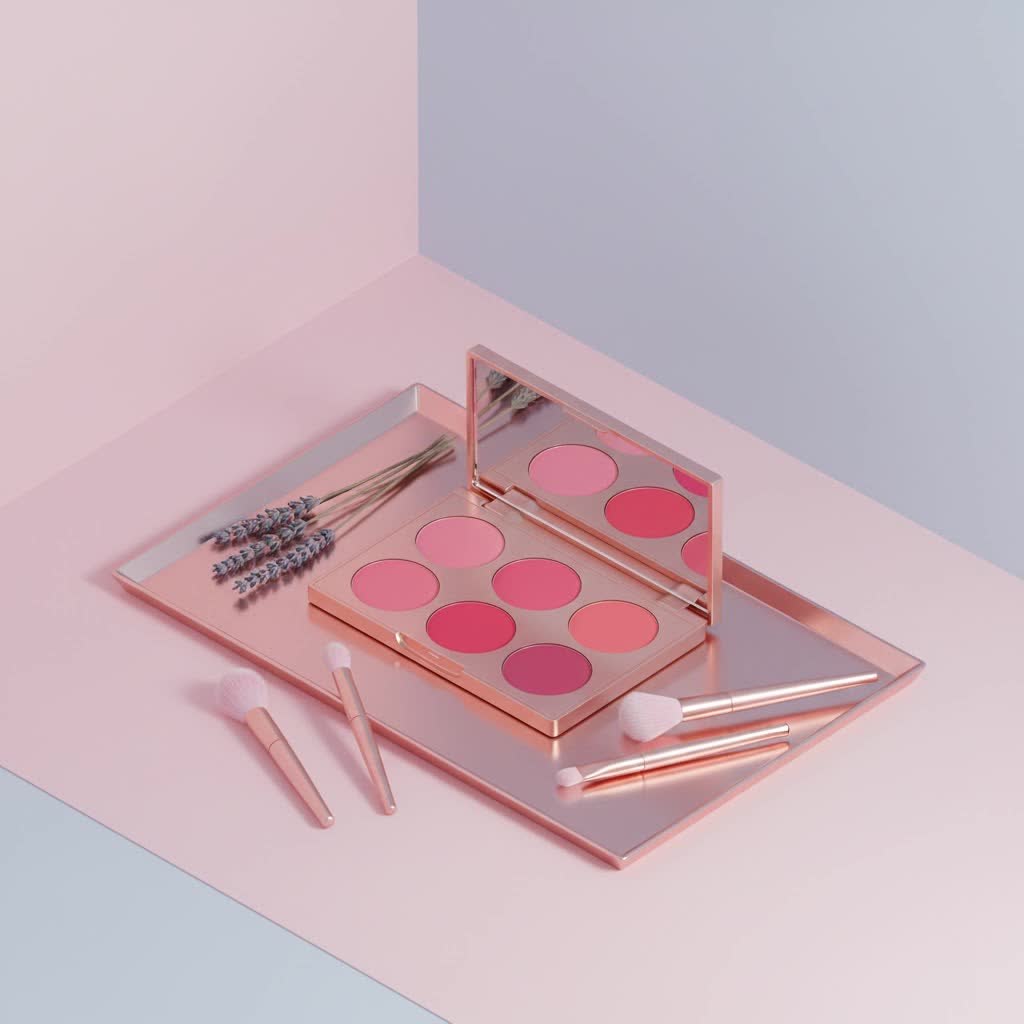
Choosing the right blush isn’t just about picking a pretty pink. It’s about understanding how different formulas, shades, and application techniques can enhance your natural beauty, tying together your entire look with a cohesive and radiant finish. Whether you’re aiming for a subtle everyday glow or a dramatic evening statement, a well-chosen makeup palette blush is your most powerful ally.
The Versatility of a Makeup Palette Blush
Think of a makeup palette blush as your personal artist’s kit for your cheeks. Unlike single blushes, a palette offers a range of shades and often finishes, allowing for endless customization and creativity. This versatility is what makes it an essential for both beginners and seasoned pros.
What Makes a Blush Palette Essential?
|
Our Picks for the Best Blush Palette in 2026
As an Amazon Associate I earn from qualifying purchases.
|
||
| Num | Product | Action |
|---|---|---|
| 1 | 8 Colors Face Matte Blush Palette Shading Blusher - Buildable Facial Cheek Blusher Contour Bronzing Pressed Powder Makeup Pallet Women Gift Set (8 Colors Blush Contour Palette with brush) |

|
| 2 | 16 Colors Contour Palette Make up - Blush Highlighters Bronzer Powder All in one Makeup Palettes Contour Kit - Face Cosmetics Gifts for Women Beauty for Festivals (SET1) |
|
| 3 | Revolution Beauty London, Ultra Blush Palette, 8 Pigmented Shimmer & Matte Makeup Shades, Blendable Powder Blush Formula, Vegan & Cruelty-Free, Sunset Burst |
|
| 4 | Revolution, Ultra Blush Palette, 8 Pigmented Shimmer & Matte Makeup Shades, Blendable Powder Blush Formula, Vegan & Cruelty-Free, Sugar & Spice |
|
| 5 | e.l.f. Cosmetics Powder Blush Palette, Four Blush Shades for Beautiful, Long-Lasting Pigment, Light |
|
| 6 | Physicians Formula Powder Palette Multi-Colored Blush, Silky Smooth Formula, Hypoallergenic, Blends Easily Without Irritation – Blushing Berry |
|
| 7 | Eye & Cheek Palette - Eyeshadow and Highlighter Makeup, 4-In-1Makeup Palettes Kit, Highlighting Eye & Cheek Palette, Face Highlighter & Glow Blush Palette for Women & Girls |
|
| 8 | Physicians Formula Powder Palette Multi-Colored Blush, Silky Smooth Formula, Hypoallergenic, Blends Easily Without Irritation – Blushing Rose |
|
| 9 | LAURA GELLER NEW YORK Geller\'s Greatest Lift-n-Glow Baked Trio Palette - Highlighter, Blush, Bronzer - All Skin Tones |
|
| 10 | Physicians Formula Butter Palette, Nourishing Bronzer, Blush, Highlighter, and Moisturizing Face Powder Blend, Cruelty Free - Dream Team |
|
A makeup palette blush provides an array of options to perfectly match different makeup looks, seasons, or even your mood. You might want a soft peach for a daytime stroll, a vibrant berry for an evening out, or a subtle rose for a professional setting. With a palette, these options are always at your fingertips, making it a highly practical and economical choice. It also simplifies travel, as you carry multiple shades in one compact case.
Types of Blush Palettes
Blush palettes come in various formulas, each offering a unique finish and application experience:
- Powder Blushes: These are the most common and beloved for their ease of use and longevity. Powder blushes provide a soft-focus, ethereal wash of color and are ideal for those with oily or combination skin, as they help control shine while adding color. Many powder blushes offer a matte or shimmery finish, giving you options for different looks.
- Cream Blushes: Known for their dewy finish, cream blushes are perfect for dry or mature skin, offering a hydrating tint that blends seamlessly for a fresh, youthful glow. They can be applied with fingers or a damp sponge for a natural, skin-like finish.
- Liquid Blushes: These offer intense pigment with a lightweight feel. Liquid blushes are excellent for a radiant, long-lasting flush and are often buildable, meaning you can start sheer and add more for intensity. They are best applied with a brush or sponge and blended quickly.
Some advanced makeup palette blush options even combine cream and powder formulas, offering the best of both worlds for layering and creating multi-dimensional looks.
Choosing the Perfect Makeup Palette Blush for Your Skin Tone
Finding your ideal blush is a bit like finding the perfect pair of jeans – it has to fit just right. The secret lies in understanding your skin tone and undertones.
Understanding Your Undertones
Your skin tone is the surface color of your skin, but your undertone is the subtle hue beneath it. You can determine your undertone by looking at the veins on your wrist in natural light.
- Cool Undertones: Veins appear blue or purple. Silver jewelry often looks best on you.
- Warm Undertones: Veins appear green. Gold jewelry typically complements your skin more.
- Neutral Undertones: Veins show a mix of blue and green, or it’s hard to tell. Both silver and gold jewelry look good.
Best Blush Shades for Fair Skin
For those with fair skin and cool undertones, soft pinks, rose pinks, and cool-toned corals will add a subtle, natural flush that mimics a healthy glow. If you have warm undertones, light peach and apricot shades will warm up your complexion beautifully. The goal is to enhance, not overpower, your delicate skin.
Best Blush Shades for Medium Skin
Medium skin tones offer a wider range of options. With cool undertones, rosy pinks, mauve, and berry shades will look stunning. For warm undertones, coral, peach, and warm pink shades will add a vibrant, healthy glow. A versatile makeup palette blush with these options can take you from day to night effortlessly.
Best Blush Shades for Deep Skin
Deep skin tones truly come alive with rich, pigmented blushes. For cool undertones, plum, berry, deep rose, and even vibrant reds will add a magnificent pop of color. Warm undertones are beautifully complemented by terracotta, bronze, and warm coral shades. These impactful hues ensure your blush stands out and defines your features without fading into the background.
“The key to a truly stunning blush look is to embrace your unique skin. Don’t be afraid to experiment with shades you might not typically consider; sometimes, the unexpected color is the most flattering,” advises Isabella Rossi, lead makeup artist at Ijcoe.
Mastering Blush Application Techniques
Applying blush isn’t just a swipe and go. Strategic placement and proper blending are crucial for a flawless, natural finish. A good makeup palette blush gives you the freedom to mix and match for bespoke shades.
Prepping Your Skin for Flawless Blush
Before reaching for your makeup palette blush, ensure your skin is prepped. Start with a clean, moisturized face. Applying a primer creates a smooth canvas, blurs imperfections, and helps your blush adhere better, extending its wear throughout the day. If you use foundation or tinted moisturizer, apply that first to create an even base.
Step-by-Step Guide to Applying Powder Blush
- Load Your Brush: Dip a fluffy blush brush into your chosen shade from your makeup palette blush. Tap off any excess product to avoid applying too much at once. It’s always easier to build color than to remove it.
- Smile and Apply: Smile gently to find the apples of your cheeks. Apply the blush here, starting with a light hand.
- Blend Upwards and Outwards: Using circular or sweeping upward motions, blend the color towards your temples and hairline. The goal is a seamless transition, not a stark line.
How to Apply Cream or Liquid Blush
- Dot and Blend: For cream or liquid blushes from your makeup palette blush, apply a small amount (a dot or two) to the apples of your cheeks.
- Use Fingers, Sponge, or Brush: Blend immediately with your fingertips, a damp beauty sponge, or a dense buffing brush. Pat and tap the product into your skin, blending upwards towards your temples. Cream and liquid formulas tend to dry quickly, so work one cheek at a time.
Different Blush Placement for Face Shapes
The way you apply blush can subtly sculpt your face:
- Round Face: Apply blush to the apples of your cheeks and sweep it upwards towards your temples to create a lifting effect.
- Square Face: Apply blush in a diagonal line from the apples of your cheeks towards your temples to soften the angles of your face.
- Heart-Shaped Face: Apply blush just below the apples of your cheeks and blend it upwards towards your ears to balance your features.
- Oval Face: Apply blush to the apples of your cheeks and blend it upwards along your cheekbones for a natural-looking flush.
Pro Tips for Elevating Your Blush Game
Once you’ve mastered the basics, there are many ways to play with your makeup palette blush to achieve truly professional results.
Layering Blushes for Dimension
For an ultra-dimensional look, try layering. Apply a cream blush first for a hydrating base, then gently dab a coordinating powder blush from your makeup palette blush on top. This technique not only adds depth but also significantly extends the wear of your blush.
Blush for Different Occasions
Your makeup palette blush allows you to adapt your look effortlessly. For a natural daytime flush, opt for softer, sheerer shades. For an evening event or a more dramatic look, choose richer, more pigmented colors and build them up for intensity. Don’t shy away from experimenting with brighter shades for a bold statement.
Blending Blush Like a Pro
Blending is non-negotiable. Use a clean, fluffy brush or a damp sponge to buff out any harsh lines, ensuring your blush seamlessly melts into your foundation and contour. If you accidentally apply too much, use a clean brush or a touch of translucent powder to diffuse the color.
Maintaining Your Makeup Palette Blush for Longevity
To ensure your makeup palette blush remains a reliable part of your routine for years, proper care is essential.
Proper Storage for Blush Palettes
Store your makeup palette blush in a cool, dry place away from direct sunlight and humidity. This helps preserve the integrity of the powders and creams, preventing them from crumbling, drying out, or changing in texture. Keep the palette lid closed tightly to prevent exposure to air and dust.
Cleaning Your Blush Palette
While you can’t wet powder pans, you can gently scrape off the top layer if it becomes hard or appears contaminated. For cream blushes, use a clean spatula to remove the top layer. Regularly clean your makeup brushes to prevent transferring oils and bacteria back into your makeup palette blush, which can affect product quality and hygiene.
Frequently Asked Questions (FAQ)
What is the most universally flattering blush color?
A soft peach shade is often considered the most universally flattering blush color. It works well across various skin tones and undertones, providing a warm, natural flush that enhances almost any complexion.
Can I use my makeup palette blush as an eyeshadow?
Absolutely! Many powder blush shades in a makeup palette blush can double as eyeshadows, particularly matte and subtle shimmer shades. This is a great way to create a monochromatic look and maximize your palette’s utility.
How do I make my blush last longer?
To make your blush last longer, start with a well-prepped and primed face. Layering a cream blush under a powder blush of a similar shade can also significantly extend its wear. Finishing with a setting spray will further lock your makeup in place.
Is cream or powder blush better for mature skin?
Cream blushes are often preferred for mature skin as they offer a hydrating, dewy finish that doesn’t settle into fine lines and can give a more youthful appearance. Powder blushes can sometimes emphasize texture if not applied sparingly.
How do I prevent my blush from looking patchy?
To prevent patchy blush, always apply it to a well-moisturized and primed skin surface. Use a light hand, build color gradually, and blend thoroughly with a clean brush or sponge. Ensure your foundation or base is fully set before applying powder blush.
What are common ingredients in blush palettes?
Common ingredients in powder makeup palette blush include talc, mica, silica, magnesium stearate, and various colorants (iron oxides, titanium dioxide). Cream blushes often contain emollients like ethylhexyl palmitate, synthetic waxes, and hydrogenated polyisobutene, along with color pigments.
Conclusion
The makeup palette blush is an indispensable tool in any beauty enthusiast’s collection. With its diverse range of shades and formulas, it empowers you to sculpt, brighten, and infuse life into your complexion, effortlessly transitioning from subtle radiance to captivating drama. By understanding your skin’s unique needs, mastering application techniques, and taking good care of your palette, you’ll unlock its full potential. So, go ahead, explore the possibilities, and let your cheeks tell a story of vibrant, confident beauty. Share your favorite makeup palette blush looks and tips with us at Ijcoe – we love being part of your beauty journey!
