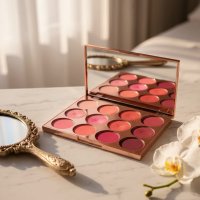
Welcome, beauty enthusiasts! As a seasoned makeup expert with over a decade in the cosmetic industry and a proud content creator for Ijcoe.com, I’ve seen countless trends come and go, but one essential remains timeless: the blush palette. It’s more than just a collection of cheek colors; it’s a versatile tool that can transform your complexion, add dimension, and infuse life into any look. Whether you’re a beginner or a seasoned pro, understanding how to choose and use the right blush palette is key to achieving that coveted, natural-looking flush and enhancing your unique beauty.
Unveiling the World of Blush Palette Types
The beauty of a blush palette lies in its diversity. Gone are the days of single blushes; palettes offer a spectrum of shades and finishes, allowing for endless customization. Let’s dive into the different types you’ll encounter.
Powder Blush Palettes
These are perhaps the most common and beloved types. Powder blush palettes typically feature finely milled pigments in matte, shimmer, or satin finishes. They are excellent for oil control and offer a traditional, buildable color. Powder formulas are incredibly versatile, allowing you to achieve anything from a soft, subtle hint of color to a more vibrant, dramatic effect. Many beauty enthusiasts appreciate the ease of application and the smooth, diffused finish they provide.
Cream and Liquid Blush Palettes
For those seeking a dewy, natural flush, cream and liquid blush palettes are a dream come true. These formulas are often hydrating and blend seamlessly into the skin, making them particularly beneficial for dry or mature complexions. Cream blushes can be applied with your fingertips, a brush, or a beauty blender, melting into your skin for a second-skin finish. Liquid blushes, often highly pigmented, deliver a fresh, youthful glow and can even be mixed with foundation for an all-over, subtle tint.
Multi-Tasking Blush Palettes
Why settle for just blush when you can have it all? Many modern blush palette options go beyond traditional cheek colors, incorporating complementary bronzers and highlighters. These all-in-one palettes are perfect for contouring, adding warmth, and imparting a luminous glow, streamlining your makeup routine and making them indispensable for travel or quick touch-ups. They allow you to define, sculpt, and illuminate your face with a cohesive color story.
Finding Your Perfect Flush: Choosing a Blush Palette for Your Skin Tone
Selecting the right blush palette is all about understanding your unique complexion. The goal is to find shades that complement your natural tones, creating a harmonious and flattering look.
Understanding Your Skin Tone and Undertone
|
Our Picks for the Best Blush Palette in 2026
As an Amazon Associate I earn from qualifying purchases.
|
||
| Num | Product | Action |
|---|---|---|
| 1 | Eye & Cheek Palette - Eyeshadow and Highlighter Makeup, 4-In-1Makeup Palettes Kit, Highlighting Eye & Cheek Palette, Face Highlighter & Glow Blush Palette for Women & Girls |

|
| 2 | Physicians Formula Powder Palette Multi-Colored Blush, Silky Smooth Formula, Hypoallergenic, Blends Easily Without Irritation – Blushing Berry |
|
| 3 | Revolution, Ultra Blush Palette, 8 Pigmented Shimmer & Matte Makeup Shades, Blendable Powder Blush Formula, Vegan & Cruelty-Free, Sugar & Spice |
|
| 4 | Physicians Formula Butter Palette, Nourishing Bronzer, Blush, Highlighter, and Moisturizing Face Powder Blend, Cruelty Free - Dream Team |
|
| 5 | LAURA GELLER NEW YORK Geller\'s Greatest Lift-n-Glow Baked Trio Palette - Highlighter, Blush, Bronzer - All Skin Tones |
|
| 6 | e.l.f. Cosmetics Powder Blush Palette, Four Blush Shades for Beautiful, Long-Lasting Pigment, Light |
|
| 7 | 8 Colors Face Matte Blush Palette Shading Blusher - Buildable Facial Cheek Blusher Contour Bronzing Pressed Powder Makeup Pallet Women Gift Set (8 Colors Blush Contour Palette with brush) |
|
| 8 | Physicians Formula Powder Palette Multi-Colored Blush, Silky Smooth Formula, Hypoallergenic, Blends Easily Without Irritation – Blushing Rose |
|
| 9 | Revolution Beauty London, Ultra Blush Palette, 8 Pigmented Shimmer & Matte Makeup Shades, Blendable Powder Blush Formula, Vegan & Cruelty-Free, Sunset Burst |
|
| 10 | 16 Colors Contour Palette Make up - Blush Highlighters Bronzer Powder All in one Makeup Palettes Contour Kit - Face Cosmetics Gifts for Women Beauty for Festivals (SET1) |
|
First, let’s identify your skin tone and undertone. Your skin tone can be broadly categorized as fair, light, medium, olive, or deep. Your undertone, however, is the subtle hue beneath your skin’s surface and can be cool (pink, red, bluish), warm (yellow, golden, peachy), or neutral (a mix of both). A simple way to check your undertone is to look at the veins on your inner wrist in natural light. Blue or purplish veins suggest a cool undertone, while greenish veins indicate a warm undertone. If you see a mix, you likely have a neutral undertone. Another trick is to see whether silver or gold jewelry flatters you more; silver often enhances cool tones, and gold highlights warm tones.
Color Matching for Every Complexion
Once you know your skin tone and undertone, choosing shades becomes much easier:
- Fair Skin (Cool Undertones): Opt for soft, light pinks, dusty roses, and pale mauves. These shades mimic a natural flush without overpowering your delicate complexion.
- Fair Skin (Warm Undertones): Light peach and coral blushes will bring a lovely warmth and sun-kissed glow.
- Medium Skin (Cool/Neutral Undertones): Rosy pinks, berry tones, and soft mauve shades look stunning.
- Medium Skin (Warm Undertones): Peachy blushes, apricot, and warmer pinks will beautifully complement your golden tones.
- Olive Skin: A wide range works well, but deeper peach, warm terracotta, and bronze-infused rosy shades truly shine.
- Deep Skin (Cool Undertones): Rich berry shades, deep purples, and vibrant fuchsia will pop beautifully against your skin.
- Deep Skin (Warm Undertones): Punchy reds, fiery oranges, and warm rosy browns offer an impactful and gorgeous flush.
If you’re ever in doubt, a peach shade is often considered the most universally flattering blush color, suiting a wide range of skin tones and undertones.
Mastering the Art: How to Apply Blush Palette Like a Pro
Achieving a flawless blush application is simpler than you might think. It all starts with proper preparation and understanding the right techniques.
Prepping Your Canvas for Flawless Application
Before you even touch your blush palette, ensure your skin is ready. Begin with a thorough cleanse to remove any impurities, followed by a light moisturizer to hydrate your skin. A good primer will create a smooth base, blurring pores and fine lines, and helping your makeup last longer. Finally, apply your foundation evenly to create an even canvas for your blush. This smooth foundation ensures your blush glides on seamlessly and wears beautifully throughout the day.
Step-by-Step Application Techniques
- Choose Your Tool: Depending on your blush palette’s formula, you can use a fluffy blush brush for powders, or your fingers, a dense brush, or a damp beauty blender for creams and liquids.
- Start Small: It’s always better to start with less product and build up the color gradually. Tap off any excess from your brush or dab a small amount onto the back of your hand before applying to your face.
- Locate the Apples of Your Cheeks: Smile gently; the fullest part of your cheeks is where the blush should begin.
- Apply and Blend: Using light, circular motions, apply the blush to the apples of your cheeks and blend upwards towards your temples. The key is to blend well to avoid any harsh lines, ensuring a seamless transition into your skin and hairline.
- Correcting Too Much Blush: If you’ve applied too much, don’t fret! Gently blend it out with a clean brush or a makeup sponge. You can also lightly dust some translucent powder over the area to tone down the color.
Elevate Your Look: Advanced Blush Application Techniques
Beyond the basics, certain techniques can truly elevate your blush game, sculpting your face and ensuring your color lasts all day.
Sculpting with Blush: Face Shape Techniques
The placement of your blush can subtly alter the appearance of your face shape:
- Round Face: To create a more angular look, apply blush to the apples of your cheeks and sweep it upwards towards your temples.
- Square Face: Soften angles by applying blush in a diagonal line from the apples of your cheeks towards your temples.
- Oval Face: You’re lucky! Apply blush directly to the apples of your cheeks and blend slightly upwards for a natural-looking flush. This helps enhance your natural cheekbones.
Layering for Longevity and Dimension
For a blush that truly lasts and offers incredible depth, consider layering. “Starting with a cream blush and then topping it with a matching powder blush can create a vibrant, long-lasting effect that looks truly multidimensional,” advises Dr. Anjali Sharma, a celebrated cosmetic formulator and renowned makeup artist. This technique locks in the color and adds an extra pop, ensuring your radiant glow stays put from morning to night.
The Science Behind the Glow: What’s in Your Blush Palette?
Understanding the ingredients in your blush palette is crucial for both performance and skin health. As a brand dedicated to transparency, Ijcoe.com believes in empowering you with knowledge.
Key Ingredients and Their Role
Blush formulations typically include:
- Fillers/Texturizers: Ingredients like talc, mica, and silica help create a smooth texture, improve blendability, and absorb oil. Mica, in particular, adds shimmer and luminosity.
- Colorants: Iron oxides (red, yellow, black), titanium dioxide, and various CI (Color Index) numbers are responsible for the vibrant hues in your palette.
- Emollients & Binders: In cream and liquid formulas, dimethicone, jojoba oil, squalane, shea butter, and plant-based waxes (like carnauba or candelilla) create a silky texture, nourish the skin, and help the product adhere. Zinc stearate is a common binding agent that improves longevity.
Navigating Ingredients for Skin Health
While many ingredients are safe, it’s wise to be informed. Some consumers prefer to avoid certain components. For instance, concerns have been raised about potential asbestos contamination in some talc sources; opting for “talc-free” products and ethically sourced mica can be a good choice. Ingredients like parabens, phthalates, and synthetic fragrances are also sometimes avoided by those with sensitive skin. The safest blush ingredients generally include iron oxides, titanium dioxide, zinc oxide, silica, squalane, and plant-based waxes, which are typically non-toxic and well-tolerated. Always read the ingredient list to make choices that align with your skin’s needs and your personal preferences.
Preserving Your Precious Palettes: Blush Palette Storage Tips
To ensure your blush palette remains vibrant, hygienic, and performs its best, proper storage is non-negotiable.
The Ideal Environment for Your Blush
Heat, humidity, and direct sunlight are the enemies of makeup, especially blushes. Always store your blush palette in a cool, dry place, away from windows, radiators, or other heat sources. The bathroom, with its fluctuating temperatures and moisture, is often not the best place for your blushes, as it can encourage mold and bacterial growth, particularly in cream formulas. A bedroom drawer or a dedicated vanity cabinet is a much better choice. For cream blushes, especially during warmer months, some experts even suggest refrigeration to maintain their emulsion and prevent separation or bacterial growth.
Organization and Hygiene for Longevity
- Organize Smart: Keep your palettes tidy using drawer organizers, clear acrylic shelves, or standing dividers. This not only makes them easier to find but also protects them from getting scratched or damaged. You can categorize them by color, brand, or formula type.
- Cleanliness is Key: Always use clean brushes or sponges when applying blush to prevent contamination. Wash your makeup brushes regularly with a gentle cleaner to remove dirt, oil, and bacteria. Avoid sharing your blush with others, as this can easily spread germs.
- Airtight Protection: Keep your blush palette in its original packaging, or transfer it to a small, airtight container to shield it from dust and debris. This is especially important for loose powder blushes.
- Know When to Let Go: Pay attention to expiration dates and any changes in texture, scent, or color. If a product smells off or shows signs of mold or separation, it’s time to replace it. Your skin’s health is paramount.
Frequently Asked Questions
Q: What is the most universally flattering blush color?
A: Many makeup artists agree that a soft peach shade is universally flattering, as it suits a wide range of skin tones and undertones, providing a warm, natural flush.
Q: Can I use one blush palette for all occasions?
A: Absolutely! A well-chosen blush palette often contains a variety of shades and finishes (matte, shimmer) that can be mixed and matched to suit different looks, from everyday natural to glamorous evening events.
Q: How do I fix applying too much blush?
A: Don’t worry if you overdo it! You can gently blend out the excess with a clean, fluffy brush or a damp beauty blender. Lightly dusting some translucent powder over the area can also help to tone down the color.
Q: Is cream or powder blush better for dry skin?
A: Cream blushes are generally better for dry or mature skin as they offer a dewy finish and provide a hydrating tint that blends seamlessly without emphasizing dryness. Powder blushes are often preferred for oily or combination skin.
Q: How often should I clean my blush brushes?
A: For optimal hygiene and product performance, it’s recommended to clean your blush brushes at least once a week. This prevents product buildup and bacterial transfer to your skin and palette.
Q: What are the benefits of using a blush palette over single blushes?
A: A blush palette offers greater versatility with multiple shades and often different finishes in one compact, allowing for custom blending, layering, and creating varied looks. It’s also more cost-effective and convenient for travel compared to purchasing individual blushes.
Q: How long does a blush palette typically last?
A: With proper storage and hygiene, powder blush palettes can last for 12-24 months after opening. Cream and liquid formulas, being more susceptible to bacterial growth, generally have a shorter shelf life, around 6-12 months. Always check the PAO (Period After Opening) symbol on the packaging.
Embrace Your Inner Radiance
Mastering the blush palette is an exciting journey that empowers you to enhance your natural beauty with confidence and creativity. From understanding the different formulas and choosing shades that complement your unique skin tone to perfecting application techniques and ensuring proper storage, every step brings you closer to achieving that healthy, vibrant glow. At Ijcoe.com, we’re committed to being your trusted guide in the world of beauty, helping you make informed choices and feel beautiful in your skin. So go ahead, experiment, blend, and let your cheeks do the talking!
Build a cleanser routine that actually works
Free PDF — pH data on 22 popular cleansers + simple routine card.