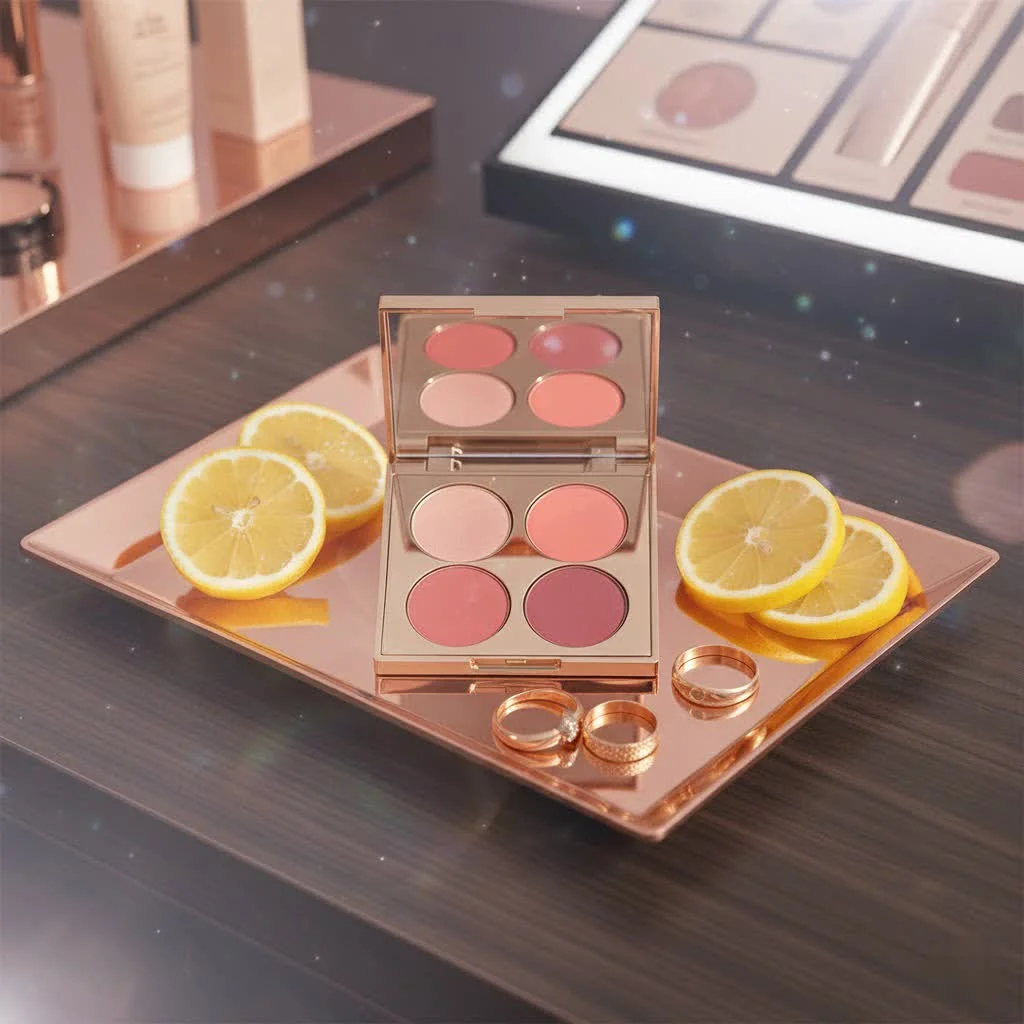
A contour, blush, and highlight palette is an all-in-one makeup tool designed to sculpt, define, and illuminate facial features. It typically combines three distinct product types: contour (darker, matte shades for shadows), blush (color for warmth), and highlight (shimmery shades for luminosity). This integrated approach simplifies makeup routines and helps achieve a sculpted, radiant look by providing harmonizing shades in one compact.
What Exactly is a Contour, Blush, and Highlight Palette?
Imagine having all the essentials for defining your facial structure and adding a healthy flush of color, all neatly tucked into one compact. That’s precisely what a contour blush and highlight palette offers. It typically combines three distinct product types, each playing a crucial role in creating dimension: For expert cosmetics reviews on this site.
- Contour: These are darker, usually matte shades designed to mimic natural shadows on your face. By strategically applying contour, you can create the illusion of sharper cheekbones, a more defined jawline, or a slimmer nose.
- Blush: A pop of blush adds a youthful flush of color to your cheeks, bringing warmth and vitality to your complexion. Palettes often include a range of blush tones to complement different looks and skin tones.
- Highlight: Lighter, often shimmery shades that attract light, highlighting the high points of your face. This creates a radiant, glowing effect, making your features appear more prominent and lifted.
The beauty of an integrated palette lies in its convenience and the curated selection of shades that are often designed to work harmoniously together. No more fumbling with individual compacts or struggling to find coordinating colors!
Cream vs. Powder Formulas: Which is Right for You?
When it comes to contour blush and highlight palettes, you’ll often find them in two main formulations: cream and powder. Both have their unique benefits, and your choice largely depends on your skin type, desired finish, and skill level.
- Powder Palettes: These are generally recommended for beginners because they offer more control during application and are easier to blend. They’re excellent for setting liquid foundations, and typically provide a matte or satin finish. Powder formulas are particularly well-suited for those with oily or combination skin, as they can help absorb excess shine.
- Cream Palettes: Cream formulas deliver a more seamless, dewy, and natural-looking finish. They blend effortlessly into the skin, providing a hydrating effect, which makes them ideal for dry or mature skin. While they might require a bit more practice to master, cream palettes offer a beautiful, skin-like result. You can apply them with your fingers, a sponge, or a dense brush.
Many palettes may even offer a mix, or you can use cream products first and set them with powders for extra longevity.
Choosing Your Perfect Palette: A Shade for Every Skin Tone
Selecting the right contour blush and highlight palette is paramount to achieving a natural, flattering look. It’s not a one-size-fits-all situation; what works wonders for one person might look unnatural on another. The key lies in understanding your skin tone and undertone.
Understanding Your Skin Tone and Undertone
|
Our Picks for the Best Blush Palette in 2026
As an Amazon Associate I earn from qualifying purchases.
|
||
| Num | Product | Action |
|---|---|---|
| 1 | Revolution Beauty London, Ultra Blush Palette, 8 Pigmented Shimmer & Matte Makeup Shades, Blendable Powder Blush Formula, Vegan & Cruelty-Free, Sunset Burst |

|
| 2 | Physicians Formula Powder Palette Multi-Colored Blush, Silky Smooth Formula, Hypoallergenic, Blends Easily Without Irritation – Blushing Berry |
|
| 3 | Revolution, Ultra Blush Palette, 8 Pigmented Shimmer & Matte Makeup Shades, Blendable Powder Blush Formula, Vegan & Cruelty-Free, Sugar & Spice |
|
| 4 | 16 Colors Contour Palette Make up - Blush Highlighters Bronzer Powder All in one Makeup Palettes Contour Kit - Face Cosmetics Gifts for Women Beauty for Festivals (SET1) |
|
| 5 | e.l.f. Cosmetics Powder Blush Palette, Four Blush Shades for Beautiful, Long-Lasting Pigment, Light |
|
| 6 | 8 Colors Face Matte Blush Palette Shading Blusher - Buildable Facial Cheek Blusher Contour Bronzing Pressed Powder Makeup Pallet Women Gift Set (8 Colors Blush Contour Palette with brush) |
|
| 7 | LAURA GELLER NEW YORK Geller\'s Greatest Lift-n-Glow Baked Trio Palette - Highlighter, Blush, Bronzer - All Skin Tones |
|
| 8 | Physicians Formula Powder Palette Multi-Colored Blush, Silky Smooth Formula, Hypoallergenic, Blends Easily Without Irritation – Blushing Rose |
|
| 9 | Eye & Cheek Palette - Eyeshadow and Highlighter Makeup, 4-In-1Makeup Palettes Kit, Highlighting Eye & Cheek Palette, Face Highlighter & Glow Blush Palette for Women & Girls |
|
| 10 | Physicians Formula Butter Palette, Nourishing Bronzer, Blush, Highlighter, and Moisturizing Face Powder Blend, Cruelty Free - Dream Team |
|
Before you pick up any palette, take a moment to understand your skin’s unique characteristics.
- Skin Tone: This refers to the depth of your skin color – fair, light, medium, tan, or deep.
- Undertone: This is the hue beneath the surface of your skin – cool (pink, red, blue), warm (yellow, golden, peachy), or neutral (a mix of both). An easy way to determine your undertone is to look at the veins on your wrist: blue/purple veins typically indicate cool undertones, green veins suggest warm undertones, and a mix of both points to neutral.
Matching your palette to your skin tone and undertone prevents your makeup from looking muddy, ashy, or too orange.
Contour Shades for Your Complexion
The goal of contour is to create shadows, so your contour shade should ideally be 2-3 shades darker than your foundation and have an undertone that mimics natural shadows, often leaning cooler or neutral.
- Fair to Light Skin Tones: Opt for soft taupe or grayish-brown contour shades. Avoid anything with orange undertones, as it can look unnatural and muddy on lighter skin. A soft, cool-toned brown will create a believable shadow.
- Medium Skin Tones: Caramel, mocha, or neutral brown shades work beautifully. You can lean slightly warmer or more bronze, but ensure it’s still muted enough to create a shadow rather than just adding warmth (that’s bronzer’s job!).
- Deep Skin Tones: Rich espresso, cocoa, or deep chocolate tones with red or golden undertones are excellent choices. These deeper shades will provide the necessary definition without appearing chalky or ashy.
“The secret to a flawless contour isn’t about how much product you use, but how perfectly the shade melts into your skin, creating a believable shadow,” says Elena Petrova, a celebrated international makeup artist and beauty educator.
Blush and Highlight Harmony
Once your contour is in place, your blush and highlight will bring life and luminosity to your face.
- Blush: Choose blush shades that complement your skin tone.
- Fair to Light: Soft pinks, peaches, and light berry tones.
- Medium: Rose, apricot, and warmer coral shades.
- Deep: Rich plums, berries, deep oranges, and terracotta.
- Highlight: For highlighter, you generally want a shade that’s one to two shades lighter than your foundation.
- Finish: Matte highlighters can be used for a subtle brightening effect, especially on areas like the forehead or center of the chin. Shimmery highlighters are perfect for creating a luminous glow on the high points of the face. Be mindful of overt shimmer if you have textured skin, as it can sometimes accentuate it.
Step-by-Step Application: Unlocking Your Palette’s Potential
Applying a contour blush and highlight palette might seem intimidating at first, but with a clear, step-by-step approach, you’ll be sculpting like a pro in no time. Precision and blending are your best friends here!
Preparing Your Canvas
Before you even touch your palette, ensure your skin is prepped. Start with a clean, moisturized face, then apply your foundation and concealer. This smooth canvas will allow your contour, blush, and highlight to blend seamlessly.
The Art of Contouring
Contouring is all about creating depth and definition.
- Cheekbones: Find the hollows of your cheeks by sucking them in slightly or feeling just under your cheekbones. Using an angled contour brush, apply the contour shade in a diagonal line from your ear towards the corner of your mouth, stopping roughly at the outer corner of your eye. Blend thoroughly upwards and outwards to soften any harsh lines.
- Jawline: To define your jawline, apply contour along the bone, from just below your ear down towards your chin. Blend downwards into your neck to avoid a harsh line.
- Temples & Hairline: Lightly sweep contour along your temples and around your hairline to create a harmonious frame for your face. This helps to balance the contour on your cheekbones.
- Nose (Optional): For a slimmer nose, use a small, fluffy eyeshadow brush to apply thin lines of contour down each side of the bridge of your nose. Blend these lines gently outwards and connect them to your brow bone for a natural transition. Apply a tiny bit to the underside of the tip for a lifted effect.
always blend, blend, blend! A well-blended contour should look like a natural shadow, not a stripe.
Adding a Flush of Color with Blush
Blush brings life back to your face after contouring.
- Apples of Your Cheeks: Smile gently to find the fullest part of your cheeks – these are the “apples.” Dip a fluffy blush brush into your chosen blush shade, tap off any excess, and apply it directly to the apples.
- Blend Upwards: Gently sweep the blush upwards towards your temples, blending it softly into your contour. This creates a natural, lifted appearance and ensures a seamless transition between the contour and the blush.
Illuminating with Highlighter
Highlighter is the final touch, drawing attention to the high points of your face and creating a radiant glow.
- Cheekbones: Using a smaller, tapered brush or even your fingertip, apply highlighter to the very tops of your cheekbones, just above your blush. Blend in soft, circular motions.
- Brow Bone: A touch of highlighter just under the arch of your brow can instantly lift and brighten your eyes.
- Inner Eye Corners: A tiny dab in the inner corners of your eyes makes you look more awake and bright-eyed.
- Cupid’s Bow: Applying a small amount to the cupid’s bow (the dip above your upper lip) can make your lips appear fuller.
- Bridge of the Nose: A thin line down the bridge of your nose can make it appear straighter and more refined. Avoid the very tip if you want to avoid emphasizing it.
Advanced Techniques & Tips from an Expert
As you become more comfortable with your contour blush and highlight palette, you can experiment with advanced techniques to customize your look.
- For a More Dramatic Look: Layer cream contour beneath powder contour for enhanced depth and longevity. For a stronger highlight, apply a cream highlighter first, then layer a powder highlighter on top.
- The “One Brush” Method: If you’re pressed for time or dislike cleaning many brushes, a dense, angled blush brush can be surprisingly versatile. Start with contour, wipe the brush on a clean towel, then apply highlighter, wipe again, and finish with blush. The order is crucial: contour (darkest), then highlight (lightest, often shimmery), then blush (color). This way, you don’t muddy your lighter shades with darker pigments.
- Common Pitfalls to Avoid:
- Over-Application: Less is often more. It’s easier to build up product than to take it away.
- Wrong Shade: As discussed, using a contour that’s too warm or too dark for your skin tone can look muddy or orange. Too cool, and it might look ashy.
- Skipping Blending: Unblended lines are the biggest giveaway of makeup. Always blend until everything looks seamless.
- Too Much Shimmer: While a glow is beautiful, excessive shimmer can emphasize skin texture or fine lines. Use shimmery highlights strategically on smooth areas.
Extending the Life of Your Palette: Storage and Care
To keep your contour blush and highlight palette in pristine condition and ensure sanitary application, proper storage and care are essential.
- Keep it Clean: Regularly wipe down the outside of your palette to remove any makeup residue.
- Brush Hygiene: Clean your makeup brushes frequently. Dirty brushes can transfer bacteria and affect the performance of your powders.
- Cool, Dry Place: Store your palette in a cool, dry place away from direct sunlight and humidity. Extreme temperatures can alter the product’s texture and longevity.
- Handle with Care: These palettes are often fragile. Avoid dropping them to prevent cracking or breaking the powders.
Frequently Asked Questions (FAQ)
Q: Can I use bronzer instead of contour?
A: While both add dimension, bronzer is designed to bring warmth and a sun-kissed glow to the skin, often with warm or shimmery undertones. Contour, on the other hand, mimics natural shadows and typically has cooler, more muted undertones for sculpting and defining features. Using bronzer as a contour can sometimes look unnatural or orange.
Q: What’s the best brush for contour, blush, and highlight?
A: For contour, an angled or flat-top dense brush works well. For blush, a fluffy, rounded brush is ideal. For highlighter, a smaller, tapered brush, fan brush, or even your fingertip provides precision. Many angled blush brushes can be used for all three with proper cleaning between applications.
Q: How do I make my contour look natural?
A: The secret to a natural contour is choosing the right shade (2-3 shades darker than your skin tone with a matching or slightly cooler undertone) and blending, blending, blending! Ensure there are no harsh lines and that the product seamlessly melts into your skin.
Q: How often should I clean my palette?
A: While you can’t “clean” the powders themselves, you should regularly wipe down the palette’s exterior. More importantly, clean your makeup brushes frequently (ideally after every few uses) to prevent product buildup and bacterial transfer.
Q: Is a cream or powder palette better for beginners?
A: Powder palettes are generally recommended for beginners as they offer more control and are easier to blend and build up gradually. Cream formulas can be more challenging to work with initially but provide a beautiful, natural, dewy finish once mastered.
Q: How do I fix a muddy contour?
A: A muddy contour usually indicates too much product, poor blending, or the wrong shade. To fix it, gently buff the area with a clean, fluffy brush or a damp makeup sponge. If needed, apply a thin layer of your foundation over the muddy area to lighten and re-blend.
improve your Beauty with the Perfect Palette
The contour blush and highlight palette is more than just a makeup product; it’s an artistic tool that empowers you to enhance your natural beauty, sculpt your features, and bring a luminous glow to your complexion. By understanding the nuances of shade selection for your unique skin tone and mastering the art of application, you can confidently create looks ranging from subtle everyday definition to glamorous evening radiance.
At ijcoe.com, we believe that informed choices lead to empowered beauty. We hope this guide has equipped you with the knowledge and confidence to explore the transformative power of these palettes. Go forth, experiment, and let your inner artist shine! We encourage you to share your experiences and favorite contour blush and highlight palette tips with our community – after all, beauty is best when shared!
Frequently Asked Questions
Can I use bronzer instead of contour for facial definition?
No, bronzer and contour serve different purposes. Bronzer adds warmth and a sun-kissed glow, often with warm undertones, while contour mimics natural shadows with cooler, muted undertones to sculpt and define features. Using bronzer as a contour can result in an unnatural or orange appearance.
What are the best brushes for applying contour, blush, and highlight?
For contour, an angled or flat-top dense brush is effective. A fluffy, rounded brush is ideal for blush application. For highlighter, a smaller, tapered brush, fan brush, or even your fingertip offers precise application. Many angled blush brushes can be versatile for all three if cleaned between uses.
How can I make my contour look natural and seamless?
To achieve a natural contour, select a shade 2-3 shades darker than your skin tone with a matching or slightly cooler undertone. The most crucial step is thorough blending to ensure there are no harsh lines and the product seamlessly melts into your skin, creating a believable shadow.
What is the recommended frequency for cleaning my makeup palette?
While the powders themselves cannot be cleaned, you should regularly wipe down the exterior of your palette to maintain hygiene. More importantly, clean your makeup brushes frequently, ideally after every few uses, to prevent product buildup and bacterial transfer, which can affect product performance.
Which type of palette, cream or powder, is better for beginners?
Powder palettes are generally recommended for beginners because they offer more control during application and are easier to blend and build up gradually. Cream formulas can be more challenging to work with initially but provide a beautiful, natural, dewy finish once mastered, especially for dry or mature skin.
How can I correct a muddy-looking contour application?
A muddy contour typically results from applying too much product, poor blending, or using the wrong shade. To fix it, gently buff the affected area with a clean, fluffy brush or a damp makeup sponge. If necessary, apply a thin layer of your foundation over the muddy area to lighten and re-blend for a smoother finish.
Apply a Contour, Blush, and Highlight Palette
Learn how to apply a contour, blush, and highlight palette step-by-step to sculpt, define, and illuminate your facial features for a polished look.
Start with a clean, moisturized face. Apply your foundation and concealer to create a smooth, even base. This preparation ensures that the contour, blush, and highlight products blend seamlessly onto your skin.
Apply contour 2-3 shades darker than your foundation to the hollows of your cheeks, along your jawline, and lightly on your temples/hairline. Use an angled brush and blend thoroughly upwards and outwards to create natural-looking shadows and definition. For a slimmer nose, use a small brush to apply thin lines down the sides of the bridge.
Smile gently to find the apples of your cheeks. Dip a fluffy blush brush into your chosen blush shade, tap off any excess, and apply it directly to the apples. Gently sweep the blush upwards towards your temples, blending it softly into your contour for a natural, lifted appearance.
Using a smaller, tapered brush or fingertip, apply highlighter to the tops of your cheekbones, just above your blush. Add a touch under your brow arch, in the inner eye corners, on your cupid's bow, and a thin line down the bridge of your nose. Blend in soft, circular motions to create a radiant glow.
Build a cleanser routine that actually works
Free PDF — pH data on 22 popular cleansers + simple routine card.
I appreciate the idea of an integrated palette, but the one I tried based on the description of harmonizing shades didn’t quite hit the mark for my skin tone. The blush was a bit too bright, and the highlight was almost invisible. It’s a good concept for simplifying makeup, but I think I need to be more careful about shade selection next time. Still, it’s nice to have everything in one compact.
This post convinced me to finally try a contour blush and highlight palette, and I’m pretty happy with the results. I love how it simplifies my routine and helps me achieve a more sculpted look. The shimmery highlight shades are my favorite part; they give such a beautiful luminosity. It’s definitely made a difference in how polished my makeup looks.
As someone who’s always on the go, the convenience of an all-in-one makeup tool is huge. I picked up a palette that was mentioned for its ease of use, and it’s fantastic. The matte contour shades are perfect for defining, and the blush adds just the right amount of warmth. It’s made my morning routine so much faster without sacrificing a polished finish.
I’ve been looking for a good all-in-one palette for ages, and this guide really helped me narrow it down. I picked up the one with the finely milled powders, and it blends like a dream! It’s so convenient to have my contour, blush, and highlight all in one place, especially for quick morning routines. Definitely a game-changer for adding dimension without a ton of separate products.