Hello, gorgeous! As someone who’s spent over a decade immersed in the world of beauty and makeup, I can tell you there are few products as transformative and empowering as a well-chosen Highlight Contour And Blush Palette. This isn’t just another item in your makeup bag; it’s your secret weapon for sculpting, defining, and bringing a vibrant, youthful glow to your face, all from one sleek compact. Think of it as your personal artist’s kit, ready to reveal your best features with a few strategic strokes.
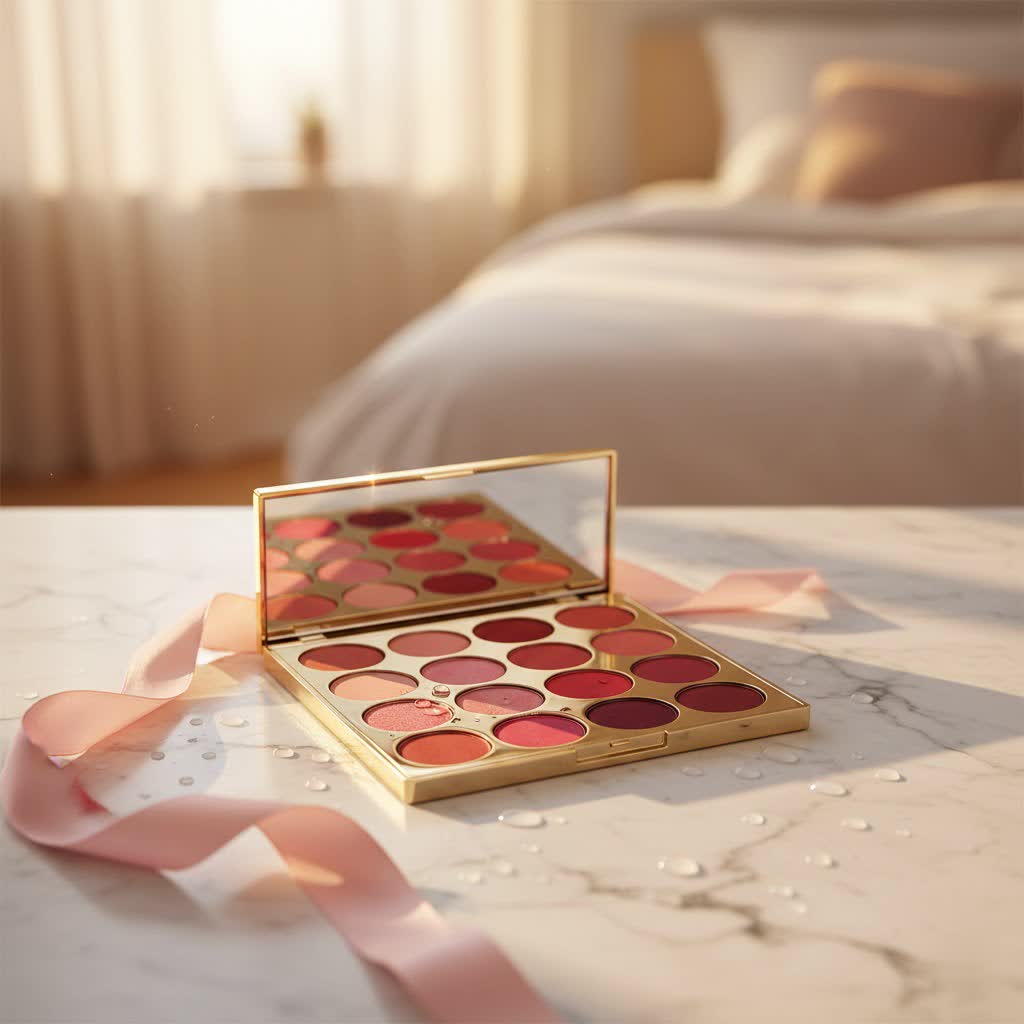
At Ijcoe, we believe in equipping you with the knowledge to make informed choices and master makeup application confidently. That’s why I’m here to demystify these incredible palettes, sharing insider tips, application techniques, and everything you need to know to achieve a flawless, dimensional look that truly enhances your natural beauty. Let’s dive in and discover how this powerhouse palette can revolutionize your routine!
Understanding the Magic of a Highlight Contour and Blush Palette
What Exactly Is a 3-in-1 Palette?
|
Our Picks for the Best Blush Palette in 2026
As an Amazon Associate I earn from qualifying purchases.
|
||
| Num | Product | Action |
|---|---|---|
| 1 | Revolution Beauty London, Ultra Blush Palette, 8 Pigmented Shimmer & Matte Makeup Shades, Blendable Powder Blush Formula, Vegan & Cruelty-Free, Sunset Burst |

|
| 2 | Physicians Formula Powder Palette Multi-Colored Blush, Silky Smooth Formula, Hypoallergenic, Blends Easily Without Irritation – Blushing Rose |
|
| 3 | e.l.f. Cosmetics Powder Blush Palette, Four Blush Shades for Beautiful, Long-Lasting Pigment, Light |
|
| 4 | Revolution, Ultra Blush Palette, 8 Pigmented Shimmer & Matte Makeup Shades, Blendable Powder Blush Formula, Vegan & Cruelty-Free, Sugar & Spice |
|
| 5 | Physicians Formula Powder Palette Multi-Colored Blush, Silky Smooth Formula, Hypoallergenic, Blends Easily Without Irritation – Blushing Berry |
|
| 6 | 16 Colors Contour Palette Make up - Blush Highlighters Bronzer Powder All in one Makeup Palettes Contour Kit - Face Cosmetics Gifts for Women Beauty for Festivals (SET1) |
|
| 7 | 8 Colors Face Matte Blush Palette Shading Blusher - Buildable Facial Cheek Blusher Contour Bronzing Pressed Powder Makeup Pallet Women Gift Set (8 Colors Blush Contour Palette with brush) |
|
| 8 | LAURA GELLER NEW YORK Geller\'s Greatest Lift-n-Glow Baked Trio Palette - Highlighter, Blush, Bronzer - All Skin Tones |
|
| 9 | Physicians Formula Butter Palette, Nourishing Bronzer, Blush, Highlighter, and Moisturizing Face Powder Blend, Cruelty Free - Dream Team |
|
| 10 | Eye & Cheek Palette - Eyeshadow and Highlighter Makeup, 4-In-1Makeup Palettes Kit, Highlighting Eye & Cheek Palette, Face Highlighter & Glow Blush Palette for Women & Girls |
|
A highlight contour and blush palette is a multi-functional cosmetic product that conveniently brings together three essential face-sculpting components: contour, blush, and highlighter, into a single, cohesive compact. Designed for streamlining your makeup routine, these palettes help you define cheekbones, enhance facial symmetry, and add warmth or a natural flush using coordinated, pre-matched shades. It’s about creating dimension where your foundation might have flattened your features, bringing them back to life.
Why Should You Use One?
The popularity of these all-in-one palettes has soared, and for good reason! Their primary appeal lies in sheer convenience and efficiency. Instead of fumbling through multiple individual products, you have everything you need for a sculpted, radiant finish right at your fingertips. They are fantastic for both everyday wear and special occasions, catering to beginners who are just learning facial structure as well as experienced users seeking streamlined application. Plus, a well-curated palette ensures that your shades will work harmoniously together, taking the guesswork out of color matching.
Types of Highlight Contour and Blush Palettes
Choosing the right formula is just as important as selecting the right shades. Palettes generally come in powder, cream, or sometimes hybrid formats, each offering unique benefits for different skin types and desired finishes.
Powder Palettes
Powder palettes are perhaps the most common and are fantastic for beginners because they offer more control during application. They typically provide a matte finish for contour shades, which is crucial for creating realistic shadows, as shimmer can defeat the purpose. Powder blushes and highlighters in these palettes can range from matte to satin or subtly shimmery. They are particularly well-suited for those with oily skin types, as powders can help absorb excess oil and provide longer-lasting wear.
Cream Palettes
Cream palettes are a dream for anyone seeking a dewy, natural, or “skin-like” finish. They blend seamlessly into the skin, offering a hydrated look that’s perfect for dry or mature skin. Cream formulas are often applied with fingertips, a damp beauty blender, or a dense brush, and require a bit more blending effort for a seamless finish compared to powders. The rich, emollient texture makes them highly buildable, allowing you to control the intensity from a subtle glow to a more dramatic sculpt.
Hybrid Palettes
Some innovative palettes offer a hybrid approach, combining both cream and powder formulas. This allows for versatile application techniques, such as setting a cream contour with a powder for extra longevity, or layering cream blush under a powder blush for added intensity and staying power. These can be excellent for advanced users who enjoy experimenting and customizing their looks.
Choosing the Perfect Palette for Your Skin Tone
The secret to a natural, flattering look lies in selecting shades that perfectly complement your unique skin tone and undertone.
What Are the Best Shades for Fair Skin?
For fair skin, the key is subtlety. Harsh, dark, or overly warm shades can look unnatural or muddy. Look for contour shades that are soft taupes, cool-toned browns, or grayish tones, which mimic natural shadows without appearing orange. For blush, soft pinks, peaches, and light rosy hues will add a delicate flush. Highlighters should be soft champagne or pearly tones that don’t overpower your complexion.
Which Hues Flatter Medium Skin Tones?
Medium skin tones have more versatility. Contour shades can range from warm browns to more neutral taupe-browns, often with a hint of bronze for added warmth. Avoid anything too ash-toned, which can make your skin look dull. Blushes in coral, apricot, warm pinks, and berry shades will beautifully enhance your complexion. For highlight, golden or peach-toned shimmers work wonderfully to bring out your glow.
How to Select Shades for Deep Skin Tones?
Deep skin tones truly come alive with rich, vibrant shades. Opt for contour colors that are deep browns, chocolate, or even red-based tones to create impactful definition without looking ashy. Bronzy or plum blushes, deep berry shades, and rich terracotta hues will provide a stunning pop of color. Highlighters in warm gold, copper, or bronze will create a luminous, captivating glow.
Understanding Undertones: Warm, Cool, and Neutral
Knowing your undertone is crucial for selecting the most harmonious shades. Your undertone is the color beneath the surface of your skin:
- Cool Undertones: Skin has pink, red, or bluish hues. Best with taupe, soft greys, and neutral browns for contour.
- Warm Undertones: Skin has golden, yellow, or peachy hues. Opt for caramel, golden-brown, or chestnut contour shades.
- Neutral Undertones: A mix of warm and cool hues. You have flexibility and can often pull off both warm and cool shades, with neutral taupe or balanced brown shades working best.
“Choosing the right undertone for your contour is like picking the perfect shadow for a sunny day – it needs to be just right to look natural, not like a muddy stripe,” advises Mei Ling Chen, a renowned makeup artist with over 15 years of experience in editorial beauty.
Mastering the Art: How to Apply Your Highlight Contour and Blush Palette
Applying your highlight contour and blush palette is an art form, but with a little practice, you’ll become a master. Remember, the goal is enhancement, not transformation, for an everyday look.
Step-by-Step Guide for a Flawless Finish
Here’s my go-to sequence for a sculpted, radiant complexion:
-
Step 1: Prep Your Skin
Always start with a clean, moisturized face, primed for makeup application. This creates a smooth canvas for your palette. -
Step 2: Contour Application
- Cheekbones: Find the hollows of your cheeks by sucking them in slightly. Using an angled contour brush and a matte contour shade, apply the product in a diagonal line from your ear towards the corner of your mouth, stopping about halfway. Blend upwards into your hairline for a lifted effect, ensuring no harsh lines.
- Jawline: Apply a lighter sweep of contour along your jawline, blending down your neck to avoid a harsh demarcation.
- Forehead: If you have a larger forehead, lightly apply contour along your hairline, blending into your temples to minimize the area. Avoid contouring your entire forehead.
- Nose: For nose contour, use a small blending brush and apply two thin lines down the sides of your nose, connecting them lightly at the tip. Blend thoroughly so it doesn’t look like a stripe.
-
Step 3: Blush Placement
- Using a tapered blush brush, smile to locate the apples of your cheeks.
- Apply your chosen blush shade directly to the apples, then blend upwards towards your temples. For a more sculpted look, you can place it slightly higher, just above your contour line, blending diagonally towards the hairline. Pat on the product instead of swiping to build intensity gradually.
-
Step 4: Highlight Application
- With a fluffy brush or even your ring finger, tap highlighter onto the highest points of your face where light naturally hits.
- Focus on the tops of your cheekbones, just above your blush.
- Add a touch to your brow bones (under the arch of your eyebrows), the inner corners of your eyes, and your cupid’s bow to create the illusion of fuller lips.
- A tiny dab on the tip of your nose can also add a subtle lift, but use sparingly.
What Are Some Common Mistakes to Avoid?
Even experienced makeup lovers can fall into these traps:
- Choosing the Wrong Shade: Using a contour shade that’s too dark or too warm (orange) for your skin tone can result in a muddy or unnatural look. Always go for shades 1-3 darker than your foundation with a matching undertone.
- Skipping the Blend: This is perhaps the biggest sin! Unblended contour or blush can leave harsh lines, making your makeup look obvious and unflattering. Blend, blend, and blend some more!
- Using Shimmer for Contour: Contour is meant to create shadows, so it should always be matte. Save the shimmer for your highlighter!
- Over-Contouring: Too much product can make your face look overly chiseled or even dirty. Start with a light hand and build up the intensity.
Advanced Blush, Contour, and Highlight Techniques
Once you’ve mastered the basics, you can experiment with more advanced techniques to truly elevate your look.
Draping with Blush
Draping is a retro technique making a comeback, focusing on using blush to contour and sculpt the face. Instead of just on the apples, blush is swept from the temples, around the outer corner of the eye, and down to the cheekbones. This creates a soft, lifted effect and adds a healthy flush that naturally sculpts.
Non-Touring
Non-touring is the anti-contouring trend, focusing on a more subtle, natural look. It involves minimal contour and instead uses highlighter and blush to strategically enhance features. The goal is a fresh, dewy complexion that looks effortlessly radiant, using light to create dimension rather than dark shadows.
Strobing
Strobing is all about maximizing highlighter to create a luminous, glowing effect. Instead of contour, you focus solely on highlighting the areas where light naturally hits your face: cheekbones, brow bones, the bridge of the nose, and the cupid’s bow. It’s perfect for achieving that “lit-from-within” glow without any harsh lines.
Caring for Your Highlight Contour and Blush Palette
Proper care ensures your palette stays hygienic, performs optimally, and lasts longer.
How to Keep Your Palette Hygienic?
- Regular Cleaning: Just like individual products, your palette needs to be kept clean. Gently wipe down the outer casing with an antibacterial wipe.
- Brush Hygiene: Clean your makeup brushes regularly – ideally after every few uses. Dirty brushes can transfer oils and bacteria to your palette, affecting product quality and your skin.
- Avoid Cross-Contamination: If you use different brushes for different shades within the palette, ensure they are clean. If using one brush, clean it off (e.g., on the back of your hand or a dry cloth) between applying contour, blush, and highlight to prevent mixing colors.
What’s the Best Way to Store Your Palette?
Store your palette in a cool, dry place away from direct sunlight and humidity. Extreme temperatures can affect the product’s texture and longevity. Keeping it in its original packaging or a dedicated makeup organizer can also protect it from dust and potential damage.
Frequently Asked Questions (FAQ)
Q: Can I use bronzer instead of contour in my highlight contour and blush palette?
A: While bronzer adds warmth and a sun-kissed glow, contour is specifically designed to create shadows and sculpt features. Bronzer often has warmer undertones and shimmer, which isn’t ideal for creating realistic shadows. Use a matte, cool-toned contour shade for defining, and a bronzer if you want to add warmth.
Q: How do I know if a highlight contour and blush palette is good quality?
A: Look for palettes with buildable pigmentation, meaning you can layer the product to achieve your desired intensity without it looking chalky or overly dramatic. Blendability is key – the powders or creams should seamlessly diffuse into the skin without patchiness.
Q: Should I apply cream or powder products first from my highlight contour and blush palette?
A: As a general rule, always apply cream or liquid products before powders. If you layer powder over cream, it can look caked or blotchy. So, if you’re using a cream foundation and concealer, apply any cream contour, blush, or highlight first, then set with powder, and finish with any powder shades from your palette.
Q: What type of brushes should I use with my highlight contour and blush palette?
A: An angled brush is excellent for contouring your cheekbones and jawline. A fluffy, tapered brush works well for blush on the apples of the cheeks. For highlighter, a smaller, precise brush like a fan brush or even your fingertips can be effective.
Q: Can I use one brush for my entire highlight contour and blush palette?
A: Yes, it’s possible with a clean technique. Start with contour, wipe off the brush, then apply highlight, wipe again, and finally apply blush. This prevents mixing shades and keeps your look clean. However, using separate brushes can often give more precise results.
Final Thoughts on Your Highlight Contour and Blush Palette Journey
There you have it – your comprehensive guide to mastering the highlight contour and blush palette. This multi-talented product is more than just makeup; it’s an invitation to explore your features, play with light and shadow, and truly enhance your natural beauty. By understanding your skin tone, choosing the right formulas, and practicing these expert techniques, you’ll unlock a new level of confidence and artistry in your routine.
So, go ahead, experiment with your highlight contour and blush palette, embrace the journey of discovery, and let your unique radiance shine through. We at Ijcoe are always here to support you on your beauty adventure, providing the knowledge and inspiration you need to feel your most beautiful, every single day. Happy blending!
